
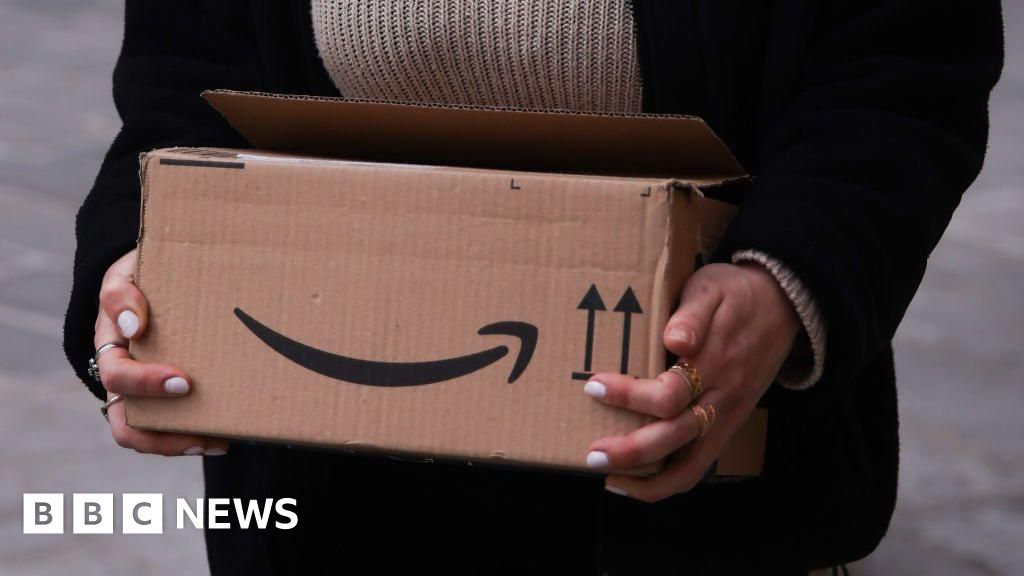
Amazon has agreed to a settlement of $2.5 billion (£1.9 billion) with the US government to resolve allegations that it misled customers into enrolling in its Prime membership and made cancellation processes difficult. The Federal Trade Commission (FTC) reports that $1.5 billion of the settlement will be allocated for refunds to customers who were improperly enrolled in the service.
The settlement was reached shortly after the trial began in Seattle, marking a significant outcome for the FTC, which has secured its largest civil penalty to date. While Amazon did not admit to any wrongdoing, the company acknowledged that this agreement would permit it to “move forward.”
Amazon Prime, which offers benefits such as free shipping and access to streaming services, has millions of subscribers worldwide, costing $139 annually or $14.99 monthly in the US, and £95 in the UK. The FTC focused on specific practices, including checkout pop-ups encouraging Prime sign-ups and automatic enrollment following free trial periods that lacked clear disclosures.
The FTC stated that these practices violated consumer protection laws, with FTC Chairman Andrew Ferguson commenting that Amazon utilized designs aimed at manipulating consumers into subscription agreements while complicating cancellation processes. Approximately 35 million customers in the US may be eligible for refunds due to these practices, with the FTC estimating refunds could reach up to $51 for affected individuals.
As part of the settlement, Amazon will implement changes, including removing misleading buttons during the checkout process and simplifying Prime cancellation. The FTC had suggested that Amazon was aware of potential concerns regarding its practices, referencing internal discussions among employees.
Despite the settlement, some critics argue that the FTC should pursue more robust regulations to tackle deceptive subscription schemes. They highlight that a proposed rule aimed at simplifying cancellation processes was recently invalidated by an appeals court.
Source: https://www.bbc.com/news/articles/cg7dy9018jxo?at_medium=RSS&at_campaign=rss