
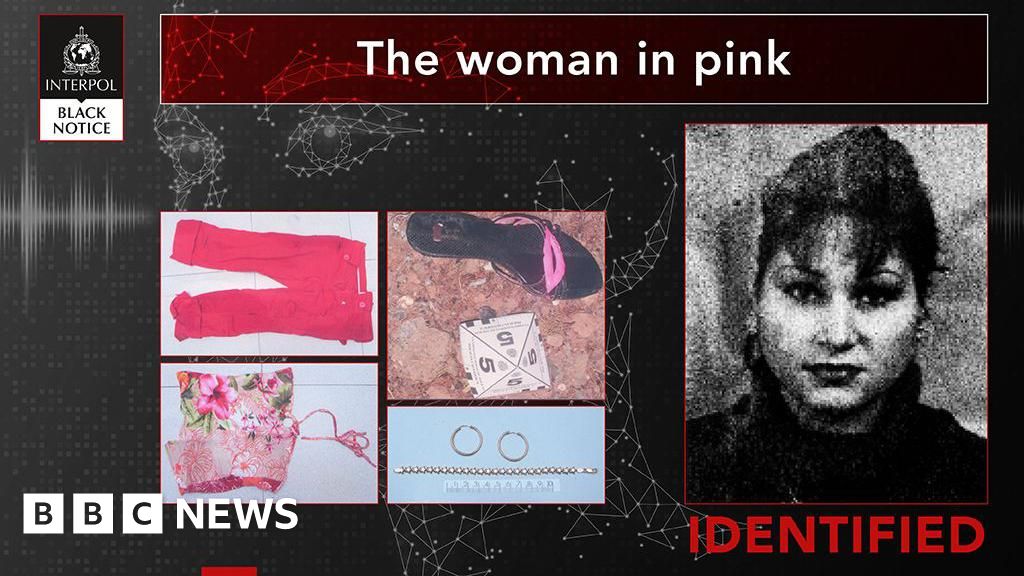
Liudmila Zavada’s identity was confirmed after nearly 20 years, bringing renewed attention to her case and hope to her family. Valdecy Urquiza, secretary general of Interpol, noted that this identification could provide “new leads” for investigators and support families of missing persons.
Zavada’s body was discovered in July 2005 near a road in Barcelona, Spain. She was initially referred to by authorities as “the woman in pink” due to her distinctive pink attire. The police described her death as “suspicious,” indicating the body may have been moved shortly before its discovery. Despite ongoing investigations, her identity remained unknown for many years.
In a recent development, her case was included in Interpol’s Operation Identify Me, which employs “black notices” to solicit information on unidentified bodies and shares details such as fingerprints with global police forces. Earlier this year, Turkish authorities matched Zavada’s fingerprints to a national database, revealing her identity. A subsequent DNA match with a close relative in Russia confirmed her name.
Investigations surrounding Zavada’s death continue, as law enforcement seeks to clarify the circumstances. Her case is part of a broader initiative by Interpol, which has identified other victims, including Rita Roberts, a woman murdered in Belgium in 1992, and Ainoha Izaga Ibieta Lima, discovered deceased in a poultry shed in Spain earlier this year.
Currently, Interpol is working to identify 44 additional women found dead in various European countries, with many believed to be murder victims aged between 15 and 30. The agency cites increased global migration and human trafficking as complicating factors in identifying missing persons. An Interpol representative stated that women are often disproportionately affected by gender-based violence, including domestic violence and trafficking.
Source: https://www.bbc.com/news/articles/cj4yqwnl1q7o?at_medium=RSS&at_campaign=rss