
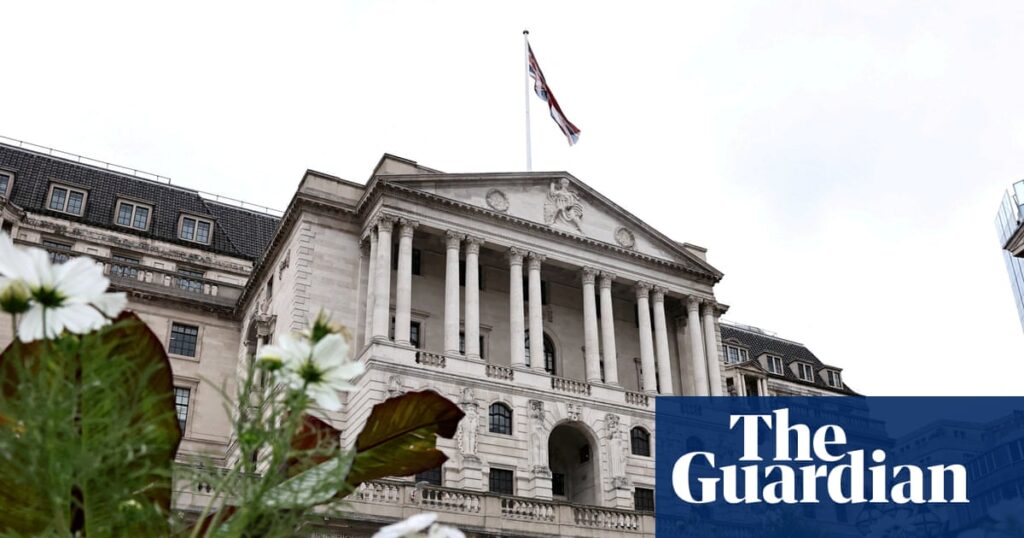
A coalition of ten campaign groups is urging the Bank of England to enhance its efforts in addressing the climate crisis, a decade after former governor Mark Carney highlighted the challenges posed by climate change to the financial system. In a 2015 speech at Lloyd’s of London, Carney emphasized the limitations of short-term thinking among policymakers and warned about the potential long-term threats to financial stability posed by climate change.
The coalition, which includes organizations such as Greenpeace and the WWF, calls for a comprehensive review of the Bank’s monetary policy. They contend that the increasing frequency of climate-related disruptions, such as extreme weather events, necessitates a reassessment of how monetary policy interacts with rising food prices. Some economists suggest that central banks may need to accept temporarily higher inflation rates and advocate for governments to maintain buffer stocks of essential foods to mitigate the effects of price spikes caused by climate-related events.
The briefing notes that raising interest rates to counteract inflation could increase the cost of the significant public investment required to transition away from fossil fuels. It refers to the recent inflation crisis in the UK, attributed to spikes in fossil fuel prices and supply chain issues, as an example of the limitations of current monetary policy in addressing climate impacts.
A spokesperson for the Bank stated that while climate policy is primarily the government’s responsibility, climate risk is integrated into the Bank’s objectives. The Bank’s recent monetary policy report acknowledged the potential inflation risks stemming from climate change-related weather events that could negatively impact food production.
Moreover, the coalition is advocating for the inclusion of climate risks in capital requirements for banks and discounted valuations of fossil fuel-related assets used as collateral in lending operations. The European Central Bank recently expressed intentions to account for climate-related uncertainties in asset valuations for loans.
Labour has pledged to allow the Bank to factor climate change into its mandate, reversing a previous government decision. In correspondence late last year, Governor Andrew Bailey assured the chancellor that climate change risks would be a consideration in assessing financial stability. Meanwhile, Carney, now Canada’s prime minister, has shifted his stance on carbon taxes and gas production since assuming office.
Source: https://www.theguardian.com/business/2025/sep/25/bank-of-england-tackle-climate-crisis-mark-carney-greepeace