
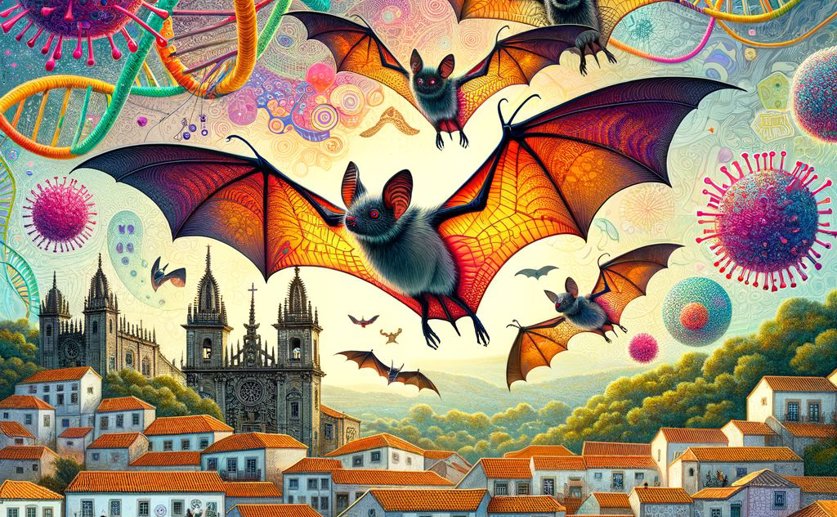
Recent DNA analysis has uncovered significant viral diversity within bat populations, according to a study published in the journal “Nature”. Researchers focused on various species of bats from diverse geographic regions, revealing multiple strains of viruses that had not been identified previously. The findings suggest that these animals may play a critical role in the emergence of new infectious diseases, as they harbor a wide range of viral agents. The study was conducted by a team of scientists from various institutions and emphasizes the need for continuous monitoring of bat populations to assess potential health risks to humans and other animals.
The research highlights the importance of bats in the ecosystem, particularly in their role as reservoirs for zoonotic diseases. With the increased occurrence of pandemics linked to wildlife, understanding viral transmission within bat populations is crucial. The study aims to raise awareness among public health officials and policymakers regarding the necessity for surveillance efforts in wildlife to mitigate future outbreak risks.
- Why it matters:
- The findings underscore the potential health risks posed by wildlife, stressing the importance of monitoring bat populations for emerging infectious diseases.
- Businesses in health and safety sectors may need to enhance protocols for wildlife interactions to prevent cross-species disease transmission.
- The latest: Current efforts are focused on expanding surveillance programs to include more bat species and locations for ongoing study.
Source: https://naturalsciencenews.com/article/14318
Source: https://naturalsciencenews.com/article/14318