
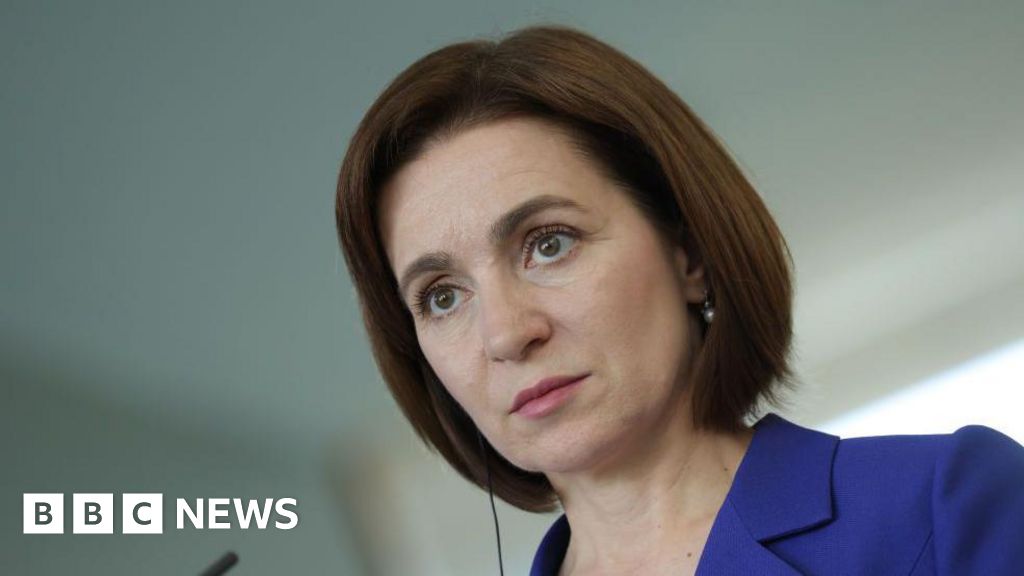
Moldovan President Maia Sandu has expressed concerns about the potential threats to her country’s independence and European aspirations. This warning follows the arrest of approximately 74 individuals accused of participating in a plot allegedly supported by Russia to incite violent unrest. In recent police operations before the upcoming parliamentary elections, authorities confiscated weapons and explosives across the country.
Reports indicate that some detainees had received training in Serbia from Russian instructors. In a national address, President Sandu accused the Kremlin of investing heavily in efforts to destabilize Moldova through violence and misinformation. She emphasized that Moldova’s sovereignty should not be compromised, asserting that the nation is not merely a territory for sale.
Pro-Russian political groups have contested Sandu’s claims, suggesting that her actions are intended to intimidate them and influence the election outcomes. Sandu is advocating for high voter turnout, especially among the diaspora, in Sunday’s elections, where her Party of Action and Solidarity (PAS) faces challenges from pro-Russian entities.
Moldova gained independence from the Soviet Union over 30 years ago but has a substantial Russian-speaking population, along with the breakaway region of Transnistria, which remains supported by Russian military presence. Over the years, Russian influence has permeated Moldovan politics, yet under Sandu’s leadership, the country has pursued EU membership and previously held a constitutional referendum to secure this goal.
However, this referendum narrowly passed, and accusations of Russian interference, including vote manipulation, have been prevalent. Observers note that even minor fluctuations in voter turnout can significantly impact election results in Moldova due to its small population.
Amidst these dynamics, some citizens express dissatisfaction with the government’s anti-corruption efforts, particularly in Russian-speaking regions where there are calls for closer ties with Moscow. The recent police actions further indicate ongoing Russian influence. Additionally, reports have surfaced regarding alleged Russian strategies to create unrest ahead of the elections, with conflicting claims emerging from Russian intelligence about supposed interference from European nations.
Source: https://www.bbc.com/news/articles/cjw79x9qvp7o?at_medium=RSS&at_campaign=rss