
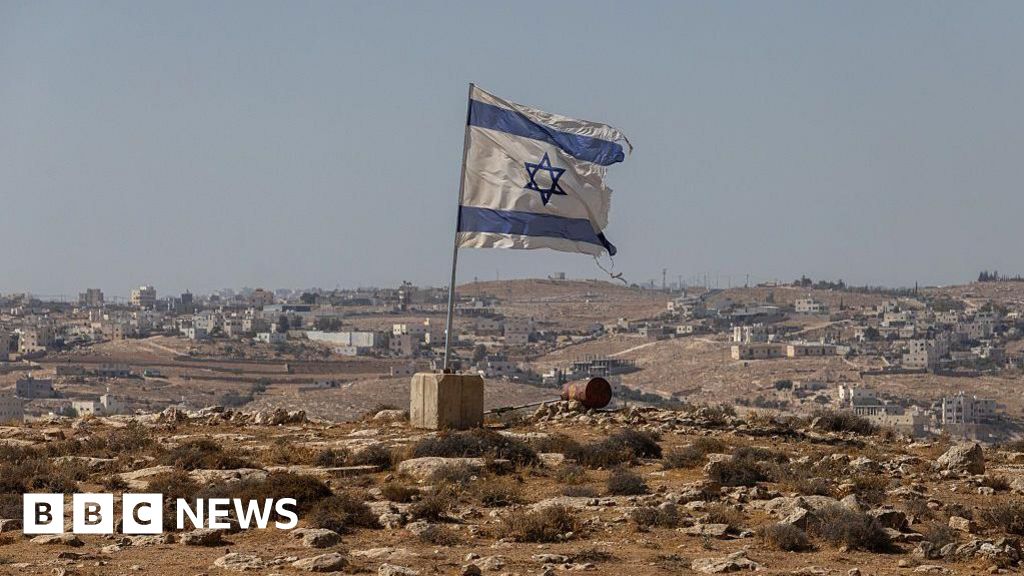
In Ramallah, considered the de facto capital of the occupied West Bank, there are growing concerns among Palestinians that global recognition of statehood may come too late to effect real change. Diaa, a 23-year-old resident, expressed gratitude for the international awareness of Palestinian suffering but emphasized the necessity for actionable solutions rather than mere recognition.
East Jerusalem remains a focal point for many, as it is envisioned as the capital of a potential Palestinian state under a two-state solution, which would see an independent Palestine established alongside Israel in the West Bank and Gaza Strip. Recently, the UK, France, Australia, Canada, Portugal, Belgium, Malta, Luxembourg, Andorra, and Monaco recognized the State of Palestine at the UN General Assembly. However, some Palestinians, like Kamal Daowd, believe that without substantial international pressure, such recognition lacks meaning.
Israeli officials have condemned the Western acknowledgment, with Prime Minister Benjamin Netanyahu asserting that “there will be no Palestinian state.” Meanwhile, far-right figures in the Israeli government are advocating for the formal annexation of the West Bank. The UK and Germany have cautioned Israel against such actions, while UN Secretary General António Guterres described possible annexation as “morally, legally, and politically intolerable.”
Following the escalation of violence and conflict since the Hamas-led attack in southern Israel, Israel has fortified its control over the West Bank, including military operations and ongoing settlement expansion, which are deemed illegal under international law. These developments have significantly impacted the Palestinian Authority, which faces economic restrictions and heightened military presence, resulting in increased checkpoints that complicate daily life for many Palestinians.
Despite efforts for a two-state solution, there is a prevailing sense of fragmentation within the Palestinian territories. Efforts to include land swaps, previously proposed in 2008 by then-Israeli Prime Minister Ehud Olmert, remain unresolved. Meanwhile, Gaza faces severe humanitarian challenges, with extensive infrastructural damage and significant casualties reported. Palestinians in Ramallah and beyond grapple with a dwindling belief in the viability of a sovereign Palestinian state, exacerbated by geopolitical barriers to meaningful dialogue and recognition.
Source: https://www.bbc.com/news/articles/cre5x8qxrqno?at_medium=RSS&at_campaign=rss