
In 1792, a British diplomat led the first formal trade mission to China, presenting various items, including six vases of jasperware crafted by Josiah Wedgwood. Wedgwood, known for creating a significant pottery empire in Stoke-on-Trent, has become closely associated with British commerce, colonialism, and identity.
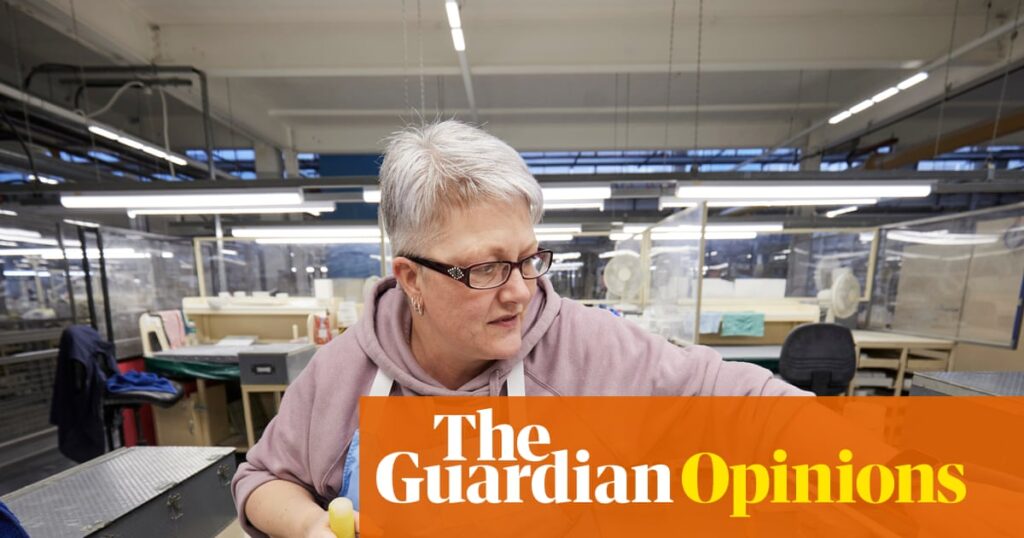
However, recent developments in Wedgwood’s business reflect the broader challenges facing British manufacturing. At its peak in the mid-20th century, Wedgwood employed around 12,000 people, mainly in Stoke-on-Trent. Currently, the company is experiencing difficulties, with four ceramics firms going out of business or relocating production overseas in the past two years. Most recently, the Fiskars Group, which owns Wedgwood, announced a temporary halt in production for 90 days, affecting 70 workers.
Fiskars described this as a short-term response to decreased demand. However, the issues at Wedgwood have persisted for years. In the 1990s, company executives engaged in debt-fueled acquisitions while laying off staff and outsourcing production to locations such as Tangerang, Indonesia, where wages were significantly lower than in the UK. This shift may have diminished the brand’s heritage value, as products labeled “made in Indonesia” lacked the same appeal in certain markets as those labeled “made in England.”
Moreover, companies like Burleigh and Emma Bridgewater, which continue to produce pottery in Stoke, demonstrate that consumers value authenticity and quality over cost. Wedgwood entered administration in 2009, subsequently acquired by a US private equity firm, and later by Fiskars in 2015. While Fiskars has made some investments, like the World of Wedgwood tourist destination, a significant portion of production remains overseas. Recent job cuts highlight potential threats to artisanal skills in the region.
Former Bank of England chief economist Andy Haldane has expressed concerns regarding the government’s approach to economic growth, emphasizing the need for more investment in everyday economies. Current calls from ceramics workers for immediate assistance with rising gas prices highlight ongoing issues within the sector. This situation raises questions about the future of traditional craftsmanship in the context of modern economic strategies.
Source: https://www.theguardian.com/commentisfree/2025/sep/21/the-guardian-view-on-wedgwoods-challenges-potteries-face-an-existential-crisis