
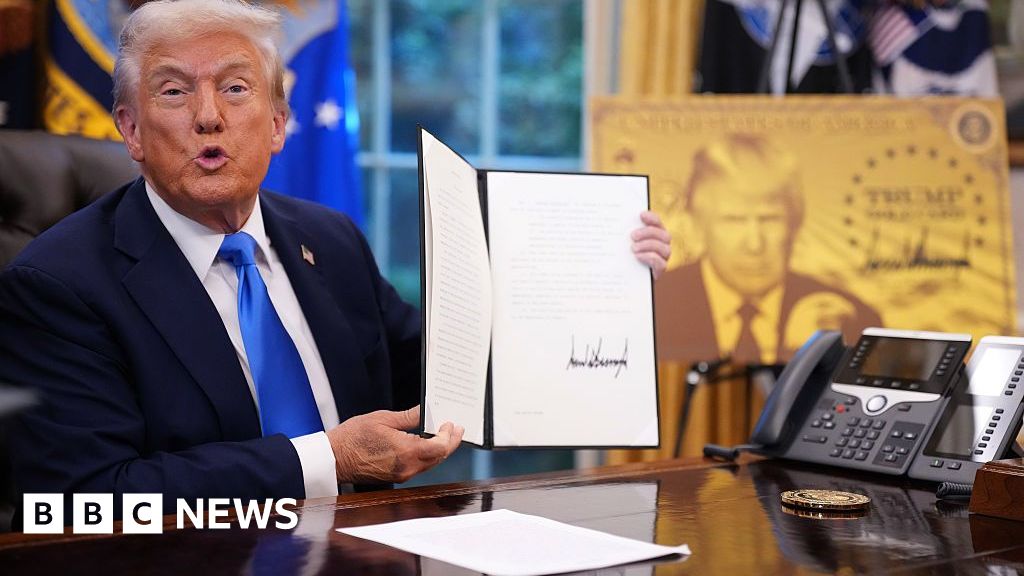
US President Donald Trump has signed an executive order introducing an annual fee of $100,000 for applicants to the H-1B visa program, which is designed for skilled foreign workers. The order cites “abuse” of the program and mandates that the fee be paid for entry into the program. Proponents of the H-1B visas argue that the program helps attract global talent, while critics contend it undermines the American workforce.
The new fee will apply only to new applications starting September 21 and will require companies to pay for each applicant for a duration of six years, according to US Commerce Secretary Howard Lutnick. This raises questions about the financial burden on companies, which may need to evaluate the value of hiring foreign talent against the newly established costs.
Since 2004, the annual cap on H-1B applications has been 85,000. Prior to this order, the fees for H-1B visas were approximately $1,500. Data from the US Citizenship and Immigration Services indicates that applications for the upcoming fiscal year have dropped to around 359,000, marking a four-year low. Amazon, Tata, and major tech firms like Microsoft and Google were the top beneficiaries of the program last year.
Experts in the field have raised concerns over the potential impact of this fee on small businesses and startups. Attorney Tahmina Watson noted that the cost might exclude many small companies from participating in the program, despite their struggles to fill certain positions. Similarly, Jorge Lopez, from Littler Mendelson PC, suggested that this move could hinder American competitiveness, particularly in the tech sector, and might prompt some companies to consider relocating operations overseas.
Previous discussions regarding H-1B visas have created divisions within Trump’s administration, with varying perspectives among his advisers. In past comments, Trump expressed an understanding of differing viewpoints on the issue. During his earlier presidency, he signed an executive order aimed at increasing scrutiny of H-1B applications, resulting in a significant rise in rejection rates.
The introduction of heightened fees for the H-1B visa has raised concerns, particularly in countries like India, which is the largest source of H-1B applications.
Source: https://www.bbc.com/news/articles/cm2zk4l8g26o?at_medium=RSS&at_campaign=rss