
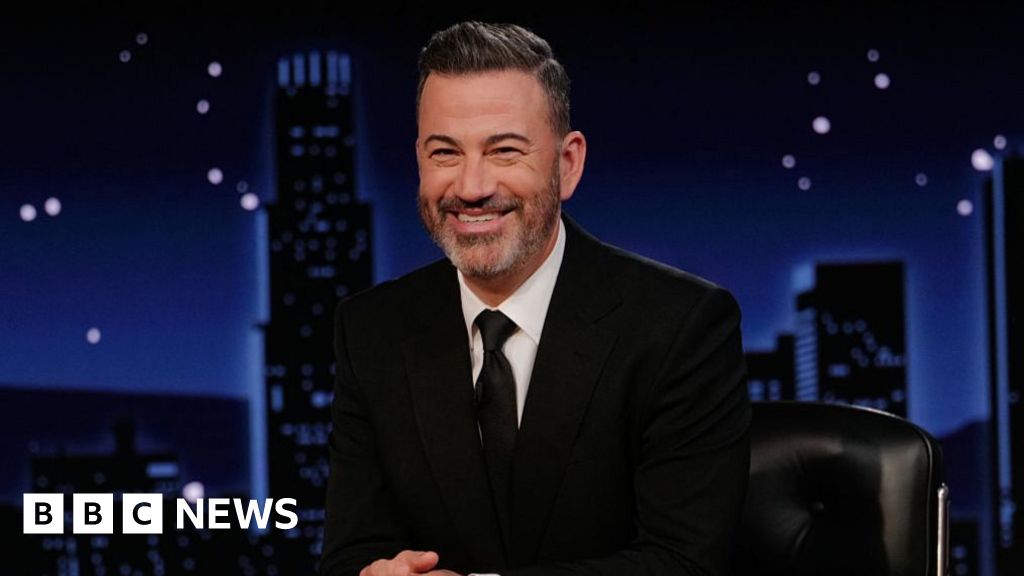
U.S. President Donald Trump has proposed that some television networks should have their licenses revoked, particularly in light of a recent suspension affecting ABC host Jimmy Kimmel. ABC announced Kimmel’s indefinite suspension following backlash over comments he made regarding the murder of conservative activist Charlie Kirk.
Kimmel suggested that the suspect in Kirk’s murder identified with conservative ideology, although law enforcement stated that he was influenced by leftist beliefs. The Federal Communications Commission (FCC) had reportedly threatened action against ABC, prompting the network to take Kimmel’s show off the air.
During a conversation with reporters aboard Air Force One, Trump remarked on the negative coverage he often receives from media, suggesting that networks producing predominantly critical content should face consequences. His comments followed Kimmel’s remarks, in which he criticized attempts to distance the suspect from the conservative movement.
FCC Chairman Brendan Carr indicated that the suspension of Kimmel was not an isolated incident, emphasizing the Commission’s commitment to holding broadcasters accountable to the public interest. He suggested that broadcasters unhappy with regulatory oversight could relinquish their licenses to the FCC. The agency does have authority over local broadcast stations but limited power over cable channels and most streaming content.
Legal experts have pointed out that the First Amendment, which protects free speech, may limit the FCC’s ability to revoke licenses based on political disagreements.
Kimmel’s suspension received both criticism and support, with various public figures speaking out on the matter. Some condemned the action as an erosion of free speech, while others argued that it constituted necessary accountability. The discussions continue against the backdrop of broader debates about media responsibility and political discourse in the U.S.
Source: https://www.bbc.com/news/articles/cr4qe0rz2zvo?at_medium=RSS&at_campaign=rss