
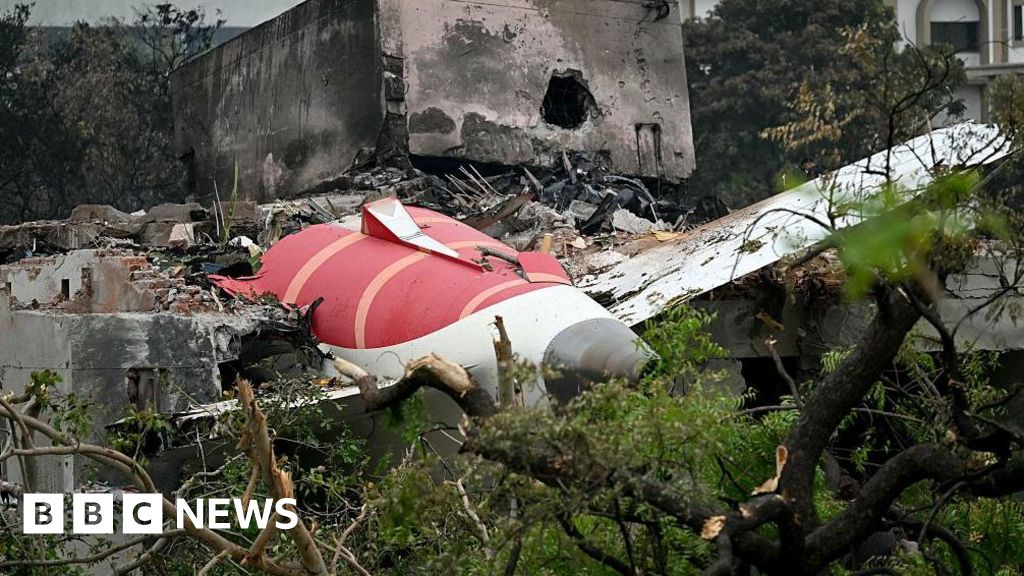
The families of four passengers who died in an Air India jet crash in June have initiated a lawsuit in the United States against Boeing and Honeywell, alleging negligence on the part of both companies. The lawsuit claims that faulty fuel switches were a significant factor in the accident and accuses the manufacturers of failing to address known design risks.
Air India Flight 171, a Boeing 787 that was heading to London Gatwick, crashed shortly after taking off from Ahmedabad, resulting in the deaths of 260 individuals. Investigators are currently focusing on the fuel switches, as a preliminary inquiry indicated that fuel supply to the engines was interrupted just after takeoff.
The U.S. Federal Aviation Administration (FAA) previously stated that fuel control switches in Boeing aircraft are safe. Boeing did not comment specifically on the lawsuit but referenced an ongoing investigation report from India’s Aircraft Accident Investigation Bureau (AAIB).
The lawsuit asserts that Boeing and Honeywell were aware of potential risks associated with the 787 Dreamliner and its components during its development and marketing. It references a 2018 FAA advisory recommending, but not requiring, operators to inspect the locking mechanism of fuel switches to prevent accidental movement that could cut off fuel supply.
In this particular incident, the fuel switch was reportedly moved from the “run” position to “cut-off,” leading to a loss of thrust. The families describe this occurrence as a design flaw that allowed for unintentional fuel shutoff, ultimately contributing to the crash. They further claim that the companies did not adequately warn airlines about necessary inspections or provide replacement parts for necessary repairs.
A detailed report regarding the crash is anticipated to be released in 2026. The crash resulted in the deaths of 229 passengers, 12 cabin crew members, and 19 individuals on the ground.
Source: https://www.bbc.com/news/articles/c07vdx9e1ygo?at_medium=RSS&at_campaign=rss