
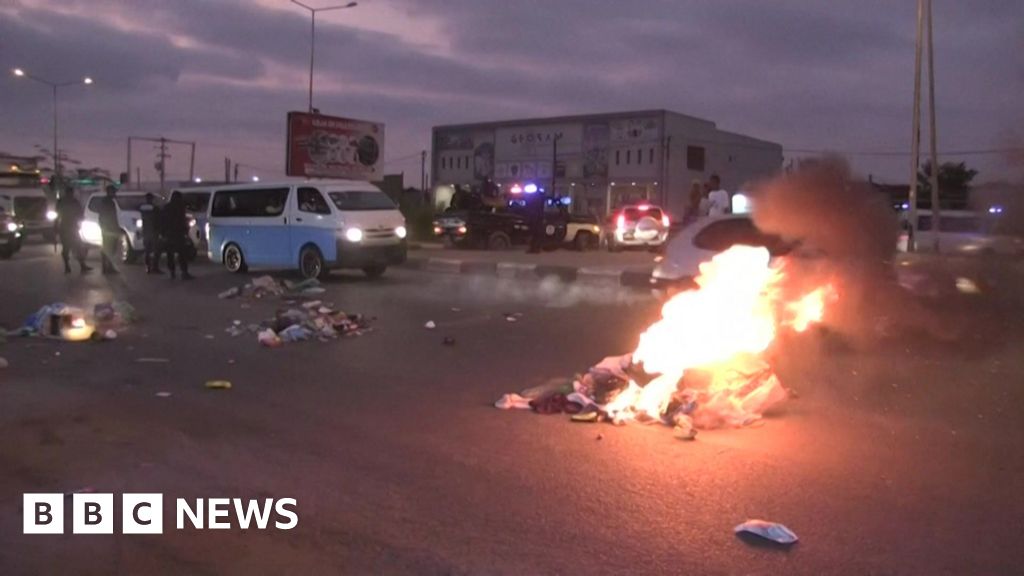
In Luanda, Angola, there remains a sense of apprehension among residents discussing the events of July when protests erupted, leading to significant unrest. What initially started as a protest organization among taxi drivers in response to increased fuel prices escalated into three days of violence, culminating in at least 30 deaths and thousands of arrests.
During the protests, demonstrators blocked roads with burning tires, looted shops, and clashed with police, marking one of the largest demonstrations since the end of Angola’s civil war in 2002. As Angola approaches its 50th independence anniversary from Portugal, the protests have underscored ongoing issues related to poverty and social inequality.
Local residents in neighborhoods hardest hit by the protests express fear of speaking out due to the potential for reprisals. A street vendor in Luanda reported that the scale of noise during the protests was necessary to catch the attention of those in power, emphasizing the struggle for a fair share of the nation’s wealth amidst stark disparities.
Unemployment, particularly among youth, is a significant concern in Angola, where approximately 54% of those aged 15 to 24 are unemployed, despite a population of 18 million young people. Many young Angolans are forced into the informal sector as they navigate economic hardship. The protests highlighted a deepening crisis of social and political legitimacy, according to some sociologists.
The Angolan government has characterized the protests as irresponsible acts manipulated by external influences. President João Lourenço condemned the violence in an August address, attributing job losses and economic disruptions to the protests. Despite promises to diversify the economy since he came to power in 2017, critiques remain regarding his government’s ability to manage rising inflation and improve conditions for many citizens.
As Angola prepares for its independence celebrations, questions linger about the political and economic direction of the country, particularly for marginalized youth, who feel increasingly driven to express their dissatisfaction.
Source: https://www.bbc.com/news/articles/c8ex6k88yy9o?at_medium=RSS&at_campaign=rss