
The shipping industry is increasingly facing cyber threats, particularly from Nigerian criminal organizations, according to lawyer Henry Clack from the London commercial law firm HFW. Clack notes that these groups have engaged in several high-value “man-in-the-middle” frauds, where hackers intercept and impersonate communications between parties, aiming to steal sensitive information and extort companies. Recent data from HFW indicates that the average cost for dealing with such cyberattacks has doubled from 2022 to 2023, reaching approximately $550,000, while the ransom payments can average around $3.2 million.
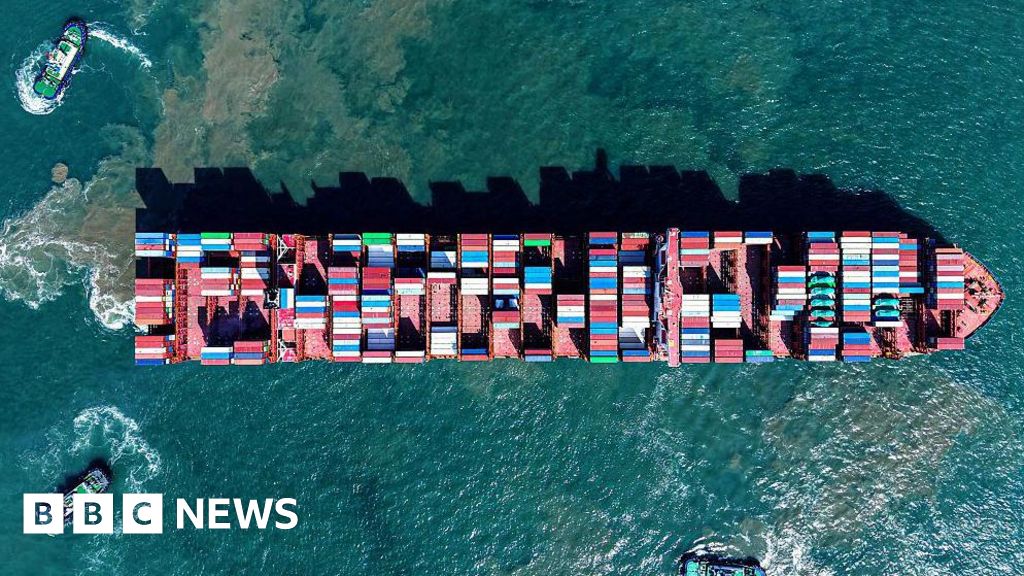
John Stawpert, from the International Chamber of Shipping, emphasizes the maritime industry’s vulnerability, as about 80% of global trade occurs via sea routes. The interconnected nature of shipping makes it an attractive target for both criminal actors and hostile nations. Research from NHL Stenden University of Applied Sciences reveals a significant rise in cyberattacks on shipping, escalating from 10 incidents in 2021 to at least 64 last year. The study links many attacks to state-sponsored actors from countries such as Russia, China, North Korea, and Iran.
The increase in cyber threats corresponds with growing digitalization in the maritime sector, which has enhanced connectivity but also exposed vulnerabilities to attacks. For example, a U.S. Navy chief was dismissed for using an unauthorized satellite service to access the internet onboard a combat ship. Instances of GPS spoofing also pose risks, as demonstrated by the grounding of a container ship in the Red Sea.
Despite these threats, there are measures underway to improve security within the industry. In 2021, the International Maritime Organization introduced cyber security provisions aimed at enhancing the resilience of shipping operations. Ship management systems are now mandated to implement more rigorous cyber risk management practices. Communication between firms and criminal networks typically occurs through brief electronic messages during ransom negotiations.
Source: https://www.bbc.com/news/articles/c36k01513l4o?at_medium=RSS&at_campaign=rss