
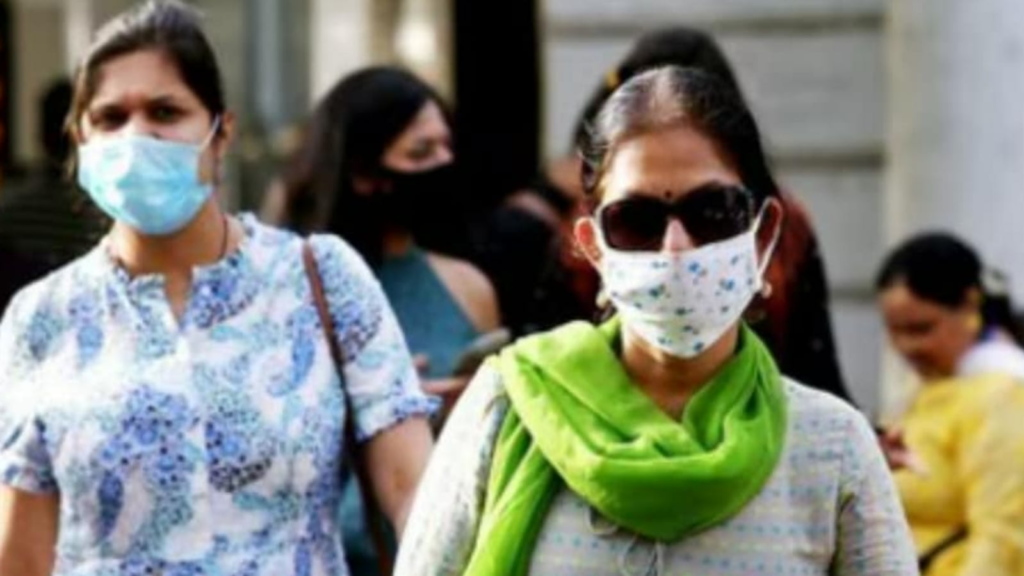
Recent reports indicate a significant increase in influenza cases in Delhi, with approximately 90% of recent diagnoses attributed to influenza-related illnesses. Health Minister Pankaj Singh confirmed on Friday that hospitals in the capital are fully equipped to manage H3N2 cases, a subtype of influenza A.
H3N2, recognized by the World Health Organization (WHO) as a contributor to seasonal flu outbreaks, is highly transmissible through respiratory droplets produced when an infected person coughs, sneezes, or speaks. Additionally, it can spread indirectly via contaminated surfaces.
The incubation period for H3N2 is typically 1 to 4 days, and symptoms may include body aches, muscle pain, headaches, and prolonged fatigue. Complications, such as pneumonia, can also arise. Medical professionals advise seeking medical attention if symptoms persist beyond five days.
To mitigate the risk of infection, experts recommend wearing masks in public, maintaining good nutrition, staying hydrated, and practicing good hygiene, such as regular handwashing and covering the mouth and nose when sneezing.
Health officials have reassured the public that there is no cause for alarm regarding the H3N2 flu, stating that health facilities are prepared to handle any related issues.
- Why it matters: Understanding H3N2 symptoms and precautions can help individuals protect their health and reduce infection rates.
- The latest: Health authorities in Delhi have confirmed preparedness in hospitals to handle H3N2 cases without concern for public panic.
Source: https://www.livemint.com/science/news/h3n2-alert-lingering-fever-cold-sore-throat-how-to-spot-viral-infection-symptoms-precautions-11757764129457.html
Source: https://www.livemint.com/science/news/h3n2-alert-lingering-fever-cold-sore-throat-how-to-spot-viral-infection-symptoms-precautions-11757764129457.html