
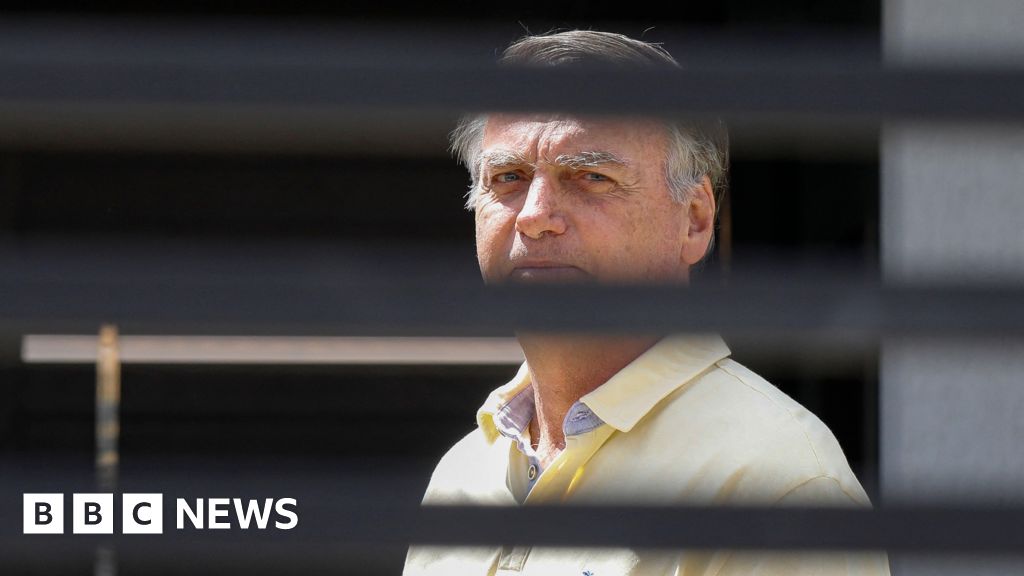
Jair Bolsonaro, Brazil’s former president, was attacked in September 2018 while campaigning in Juiz de Fora, where he survived a stabbing. This incident significantly enhanced his public image as an outsider, leading to his election triumph weeks later. Seven years later, Brazil’s Supreme Court convicted him of plotting a coup, resulting in a 27-year prison sentence, which many observers interpreted as the potential end of his political career. However, Bolsonaro remains a significant figure, with supporters advocating for his amnesty and potentially enabling a future comeback.
Bolsonaro’s political journey began as a congressional outsider, often overlooked by mainstream politics. During his lengthy congressional tenure, he built a reputation through controversial statements and defenses of Brazil’s military dictatorship. As a presidential candidate in 2018, he capitalized on widespread discontent following several years of political and economic turmoil, including mass protests, a deep recession, and a high-profile corruption investigation that implicated multiple political figures, particularly from the Workers’ Party.
His presidency marked a shift towards a pro-business agenda, with a cabinet comprising mainly inexperienced individuals and military officials. Key decisions included easing environmental protections, leading to a rise in Amazon deforestation. However, the COVID-19 pandemic represented one of his most significant challenges, where his initial stance against social distancing policies and vaccine hesitancy drew criticism, contributing to over 700,000 COVID-related deaths in Brazil by March 2023.
Following his election defeat to Lula in October 2022, Bolsonaro’s supporters engaged in protests, demanding military intervention to annul the election results. This culminated in a violent storming of government buildings in January 2023. Following his return from the U.S., Bolsonaro faced increasing legal scrutiny culminating in a Supreme Court conviction on multiple charges, which bars him from holding public office until 2060. Meanwhile, discussions in Congress around potential amnesty for Bolsonaro’s actions persist, raising questions about Brazil’s political future and stability.
Source: https://www.bbc.com/news/articles/c5yqendv7k5o?at_medium=RSS&at_campaign=rss