
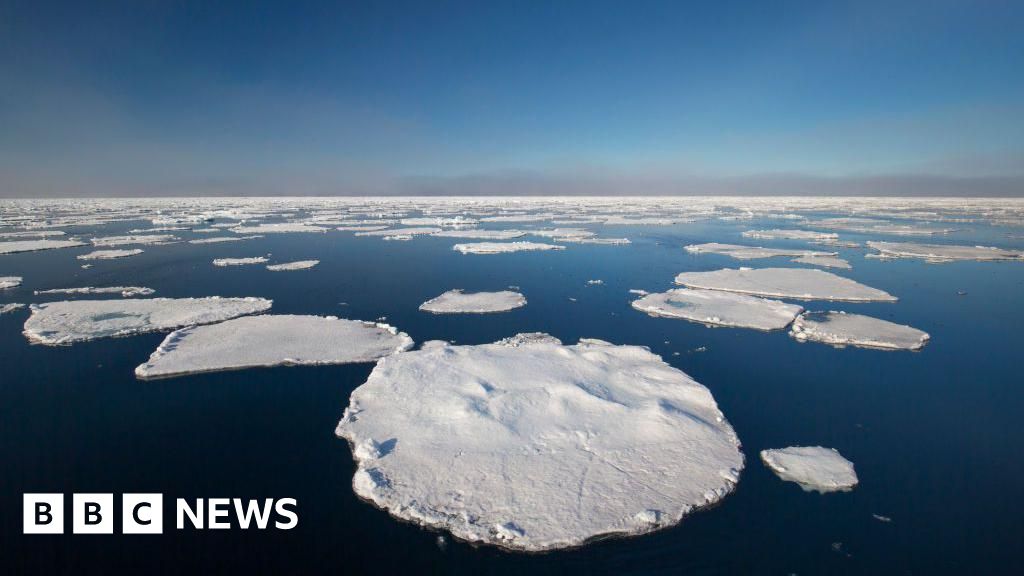
Recent discussions among scientists highlight concerns regarding proposed geoengineering methods aimed at mitigating climate change in polar regions. Over 40 polar researchers have raised alarms about the potential environmental risks of these techniques, which include manipulating sea ice or dispersing reflective particles in the atmosphere to cool the Earth. Though such methods have attracted attention as alternative strategies to combat global warming, the consensus among these scientists is that they may do more harm than good and could divert focus from necessary actions like reducing fossil fuel reliance.
Geoengineering is a controversial field, with some techniques, such as carbon dioxide removal through reforestation, being more widely accepted within climate mitigation efforts. In contrast, more radical suggestions, such as solar radiation management, have been criticized for addressing the symptoms of climate change rather than its root causes. Lead author Martin Siegert, a professor of geosciences, noted that these approaches could mislead some into thinking there are easy solutions that do not require emissions reductions.
The recent assessment published in Frontiers in Science assessed five notable geoengineering proposals and concluded that none adequately addressed feasibility or environmental risks. For instance, the concept of injecting reflective aerosols into the atmosphere has raised legitimate concerns over potential disruptions to global weather patterns. This leads to questions about governance and control of such geoengineering efforts in the Arctic and Antarctic, where jurisdiction can be complex.
Moreover, critics argue that large-scale deployment of these measures is improbable due to significant costs and time requirements. While some supporters believe in exploring geoengineering options as potential supplements to emission reductions, there is considerable skepticism regarding their viability, emphasizing the need for more rigorous research. This aligns with comments from UK officials who assert that priority should remain on reducing greenhouse gas emissions and adapting to climate impacts.
Source: https://www.bbc.com/news/articles/c5yqw996q1ko?at_medium=RSS&at_campaign=rss