
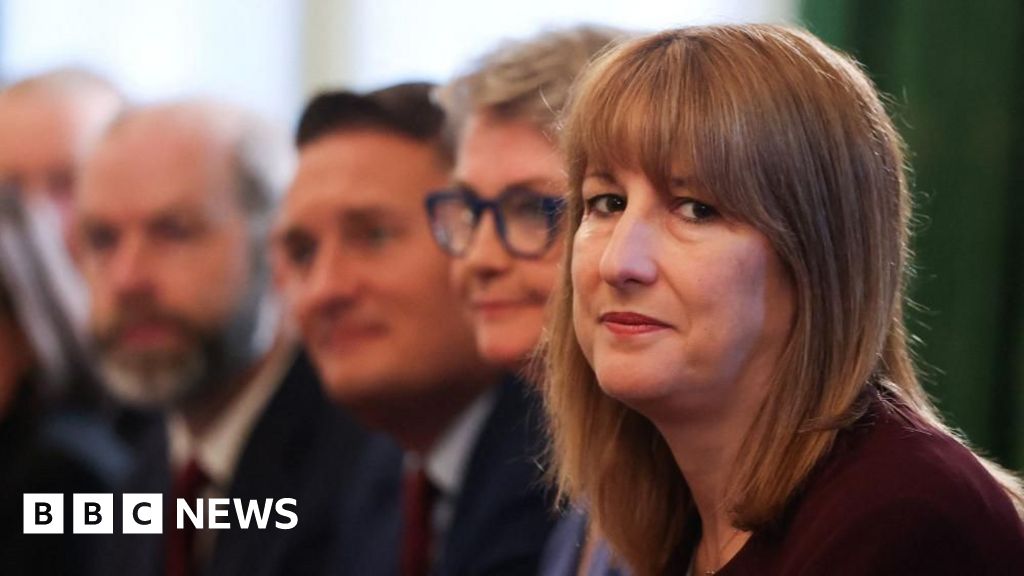
Rachel Reeves, the Chancellor, has informed her cabinet that access to the Treasury’s emergency funds will be limited ahead of the upcoming budget. These funds, amounting to £9 billion, are typically reserved for unexpected financial pressures, such as public sector pay increases and compensation payouts.
In a recent letter to ministers, Reeves emphasized that access to these reserve funds will only be considered for departments that have fully explored their savings options. This approach is intended to help the Chancellor adhere to borrowing rules by minimizing government borrowings and ensuring departmental spending remains aligned with figures announced during the June Spending Review.
The Chancellor is scheduled to present Labour’s Budget in less than 11 weeks, facing significant pressure to stimulate economic growth while managing public finances. Reeves has indicated that any borrowed funds from the reserve would need to be repaid.
Economists suggest that Reeves may need to implement tax increases or spending cuts to comply with her borrowing rules, which stipulate that day-to-day government operational costs must be financed through tax revenues by the 2029-30 fiscal year. Rain Newton-Smith, head of the Confederation of British Industry, argued that the Chancellor should focus on comprehensive tax reforms rather than merely increasing taxes, given the ongoing financial pressures businesses are experiencing from higher National Insurance Contributions and cost inflation.
During cabinet discussions, Reeves addressed the fragility present in bond markets, stressing the importance of financial stability for growth in today’s volatile global environment. She expressed a desire to redirect funds from debt repayment towards addressing issues such as hospital wait times, immigration, and national safety.
The Spending Review has already reduced the reserve’s amount, leaving some analysts questioning how Reeves will address unforeseen financial demands. Estimates for the funds required to meet her borrowing rules vary significantly, from around £25 billion to as high as £50 billion.
Reeves’ two concerning rules on government borrowing include ensuring that everyday government expenses are financed through tax income rather than borrowing by the year 2029-30, and committing to a reduction of national debt as a share of income by the end of the current parliamentary period in 2029-30.
Source: https://www.bbc.com/news/articles/cyv63l3395zo?at_medium=RSS&at_campaign=rss