
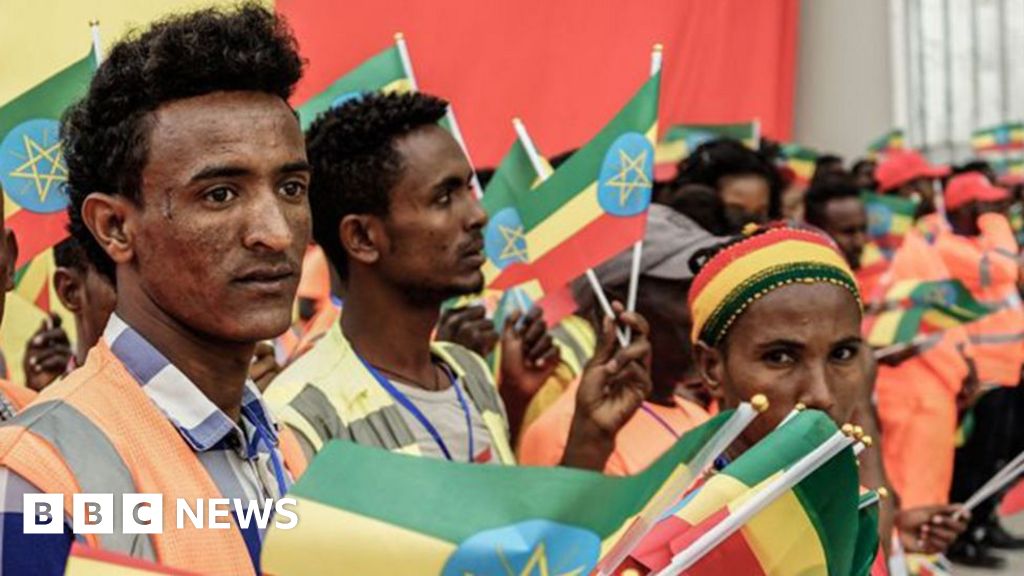
The Grand Ethiopian Renaissance Dam (GERD), Africa’s largest hydroelectric dam, was officially launched by Prime Minister Abiy Ahmed, marking a significant milestone for Ethiopia. The project began in 2012 and has since involved extensive construction efforts in western Ethiopia. The dam, spanning 1.78 km and standing at 145 m high, utilizes approximately 11 million cubic meters of concrete and has formed a large reservoir known as Lake Nigat.
The construction of the dam has been a source of national pride for many Ethiopians, although it has sparked diplomatic tensions with downstream nations, particularly Egypt, which relies heavily on the Nile River’s waters. Controversies surrounding the dam’s impact on water distribution have raised concerns from neighboring countries, with discussions of potential conflict emerging.
The project has experienced considerable public involvement, with citizens contributing financially through government bonds to support its construction. For instance, Kiros Asfaw, a clinical nurse from the Tigray region, has participated in fundraising efforts since the project’s inception, despite challenges stemming from the region’s civil war. He expressed a commitment to the project based on the late Prime Minister Meles Zenawi’s encouragement to support the dam collectively as a nation.
The GERD is expected to generate 5,100 MW of power, significantly enhancing electricity supply to Ethiopia, where nearly half the population lacks access to consistent electricity. Water and Energy Minister Habtamu Ifeta stated that the goal is to improve access for at least 90% of the country’s population by 2030. However, the challenge of expanding the power grid remains significant. Residents like Getenesh Gabiso hope this development will bring light and improve living conditions in their villages, reflecting a broader aspiration among Ethiopians for improved energy access.
Source: https://www.bbc.com/news/articles/cr4qx6377qgo?at_medium=RSS&at_campaign=rss