
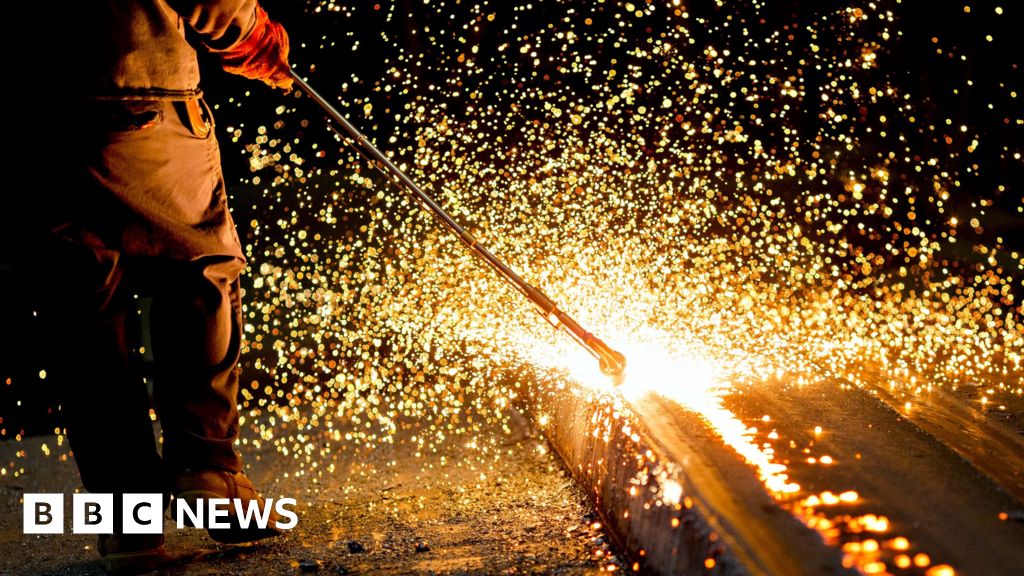
Boston Metal, a green steel start-up based in Woburn, Massachusetts, is exploring innovative methods for producing steel using electricity, which could have less environmental impact compared to traditional methods. Their process involves using electricity to extract iron from ore through a high-temperature mixture within an electrolyte, thereby separating molten iron from impurities. Typically, steel production relies on blast furnaces fueled by fossil fuels, which contribute significantly to global carbon emissions—estimated at approximately 11% of total emissions.
In the U.S., companies like Boston Metal are at the forefront of sustainable steel production. Existing steel-making processes in the country already benefit from electric arc furnaces, which recycle scrap steel without using fossil fuels. However, Boston Metal and other emerging firms aim to innovate further by utilizing electricity for the iron-making process, essential for producing new steel.
Despite advancements, challenges remain in transitioning to greener technologies. The Trump administration’s approach to renewable energy and decarbonization has raised questions about the future viability of these projects. For instance, Cleveland-Cliffs recently reconsidered plans for a hydrogen-powered steel plant, highlighting uncertainties in the industry.
While some manufacturers rely predominantly on electric arc furnaces, which depend on scrap steel supply, others are exploring alternative iron production methods. Boston Metal hopes to have a demonstration-scale plant operational by 2028, while another U.S. firm, Electra, is focusing on producing purified iron using low-temperature methods and an acidic solution.
As the urgency to reduce carbon emissions grows, new technologies like those offered by Boston Metal and Electra might present viable alternatives for the steel industry. However, achieving significant market penetration requires additional investment and a supportive regulatory environment. The impact of tariffs on steel imports has created further complexities, potentially increasing costs for consumers while aiming to bolster domestic production.
Source: https://www.bbc.com/news/articles/czer07x9zp2o?at_medium=RSS&at_campaign=rss