
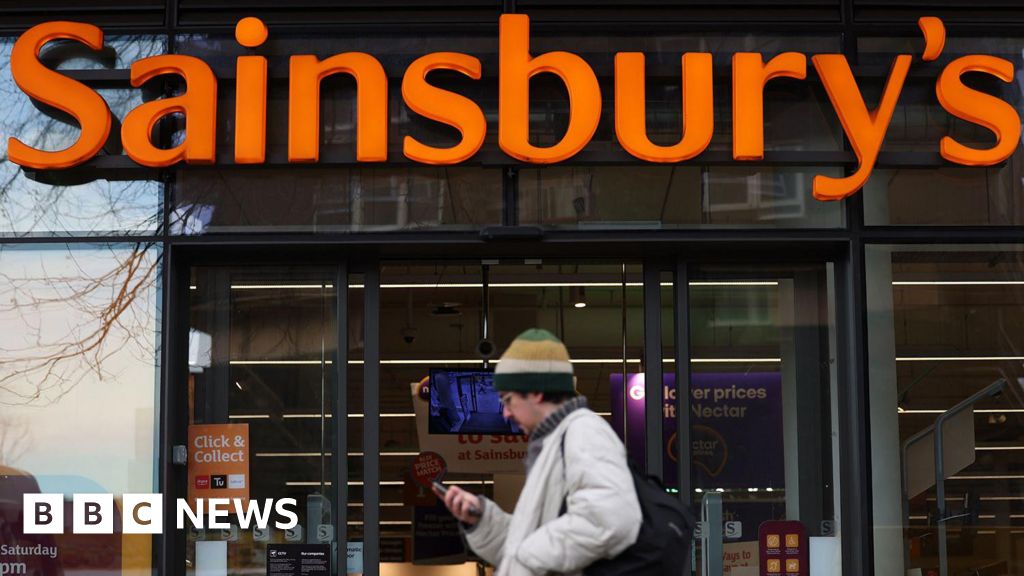
Sainsbury’s plans to implement facial recognition technology in its supermarkets as part of an initiative to combat shoplifting. The trial, which is set to last eight weeks, will take place in two locations: one in London and another in Bath. This move comes as incidents of retail crime have reportedly increased in recent years, prompting the second-largest supermarket chain in the UK to seek technological solutions.
Sainsbury’s is collaborating with Facewatch, a company that provides facial recognition services used by various retailers across the UK, including Budgens and Sports Direct. If successful, the technology could be rolled out nationwide. The supermarket asserts that the purpose of the technology is not to monitor staff or general customers, but to establish safer shopping environments. They emphasize that records of individuals will be deleted if the software does not identify a reported face.
Despite these intentions, privacy advocates have criticized the introduction of facial recognition in retail settings. Campaigners argue that this technology could lead to disproportionate surveillance and potentially misuse. They have urged Sainsbury’s to reconsider its plans, labeling the move as overly invasive.
Sainsbury’s management acknowledges the concerns raised by colleagues and customers regarding the implications of facial recognition. They note that theft and aggressive behavior within stores have increased, affecting staff across the UK. In response to this issue, Crime and Policing Minister Dame Diana Johnson mentioned that the Home Office is collaborating with businesses to address retail crime directly and is considering new legislation to protect retail employees from abuse.
In support of the trial, the general secretary of the USDAW union expressed interest in its outcomes, advocating for a responsible and evidence-led approach to tackle retail crime. The implications of this technology raise important questions about privacy, data management, and the effectiveness of surveillance in crime prevention.
Source: https://www.bbc.com/news/articles/c15l5p4zwdqo?at_medium=RSS&at_campaign=rss