
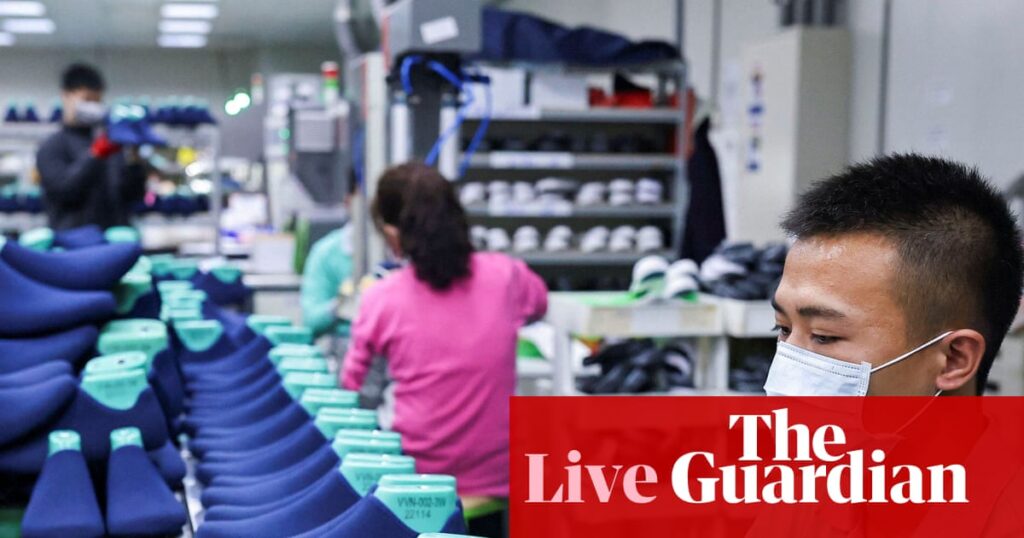
Factories in Asia-Pacific are experiencing a decline in activity, as evidenced by recent surveys indicating that manufacturing output decreased in August. In Japan, new export business contracted at its steepest rate since March 2024. The S&P Global Japan Manufacturing Purchasing Managers’ Index rose to 49.7 in August from 48.9 in July, yet remained below the pivotal 50-point threshold that separates growth from contraction.
Annabel Fiddes, an economics associate director at S&P Global Market Intelligence, noted that while signs of stabilization appeared, demand conditions remained weak, with declines in overall new work and exports. The recent implementation of a 15% tariff on Japanese products by the U.S. has added pressure to this sector.
In South Korea, manufacturers reported ongoing reductions in output and orders attributed to a sluggish domestic economy and global trade uncertainties. The S&P Global South Korea Manufacturing PMI stood at 48.3 in August, a slight increase from 48.0 in July, marking the seventh consecutive month of deteriorating business conditions.
Taiwanese manufacturers are similarly facing challenges, with substantial drops in both output and new orders. Factors contributing to this decline include decreased customer demand domestically and internationally, as well as ongoing concerns regarding U.S. tariffs.
China’s manufacturing sector continues to grapple with tariff-related uncertainties, registering a fifth consecutive month of contraction in activity. The officially reported factory PMI rose to 49.4 in August from 49.3 in July.
Amid these developments, a recent ruling by the U.S. Court of Appeals deemed Trump’s tariffs unconstitutional, potentially impacting future trade relations.
Looking ahead, key economic indicators scheduled for release include the Eurozone manufacturing PMI and UK housing data.
Source: https://www.theguardian.com/business/live/2025/sep/01/factory-activity-us-tariffs-uk-house-price-drop-mortgage-interest-rates-business-live-news-updates