
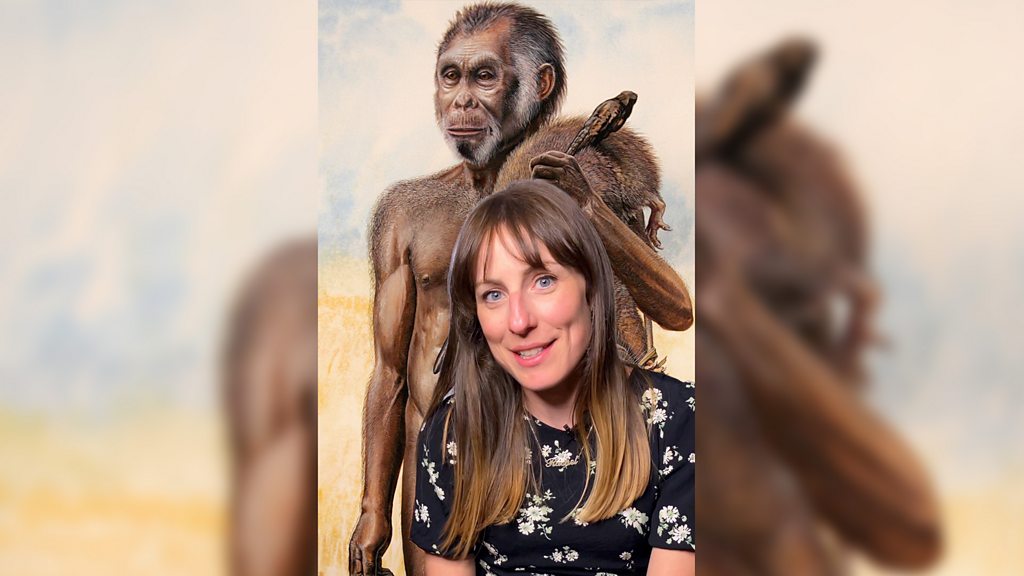
In 2003, researchers made a significant discovery on the Indonesian island of Flores: the remains of a previously unknown species of hominin, dubbed Homo floresiensis. This finding came to light when a team of archaeologists, led by Mike Morwood, unearthed skeletal remains in a cave known as Liang Bua. These remains, along with a wealth of stone tools, suggested that this species existed as recently as 50,000 years ago.
Homo floresiensis is notable for its small stature, with individuals standing about one meter tall, which has prompted various theories regarding its evolution and survival. The circumstances of its isolation on Flores may have led to unique adaptations, leading researchers to explore questions about how its environment influenced its development.
The discovery sparked significant interest in the scientific community and raised debates regarding human evolution, as this small hominin coexisted with modern humans. The features of Homo floresiensis, such as a small brain size comparable to that of a chimpanzee, challenge conventional understandings of intelligence and cognitive capabilities in early hominins.
Further excavations and research have uncovered additional fossils and artifacts on Flores, suggesting a complex history of habitation by various hominin species. The implications of these findings continue to be the subject of ongoing research and discussion. Scientists are exploring how Homo floresiensis fits into the broader narrative of human evolution and what its existence may reveal about our ancestral lineage.
Overall, the discovery of Homo floresiensis has provided invaluable insights into human diversity and adaptation, while also raising new questions about our understanding of ancient human species.
Source: https://www.bbc.com/news/videos/cz0yvlvjnzvo?at_medium=RSS&at_campaign=rss