
Donald Trump’s new 50% tariffs on India are set to take effect on August 27, following an executive order that imposed an additional 25% penalty on Indian purchases of Russian oil and defense equipment. This decision positions India among the countries facing some of the highest tariffs globally, which could negatively impact its exports and economic growth, particularly as the U.S. was previously India’s largest trading partner.
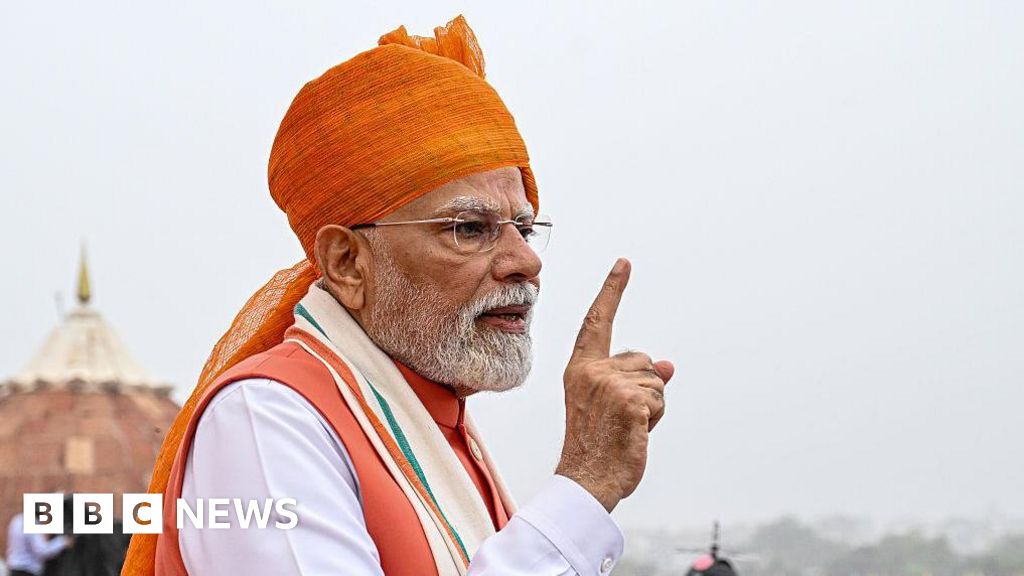
In response, Indian Prime Minister Narendra Modi has taken steps to counter the economic impact. During the Independence Day celebrations, he promised a “massive tax bonanza” for citizens and small businesses, emphasizing the need for self-reliance. Modi encouraged local businesses to display “Swadeshi” or “Made in India” boards, advocating for economic independence not from desperation, but from pride.
Amid these developments, Modi’s government plans to propose a simplified two-tier goods and services tax (GST) structure, aiming to reduce compliance difficulties and spur consumption. The GST reforms, along with previous income tax cuts amounting to $12 billion, are anticipated to boost consumer spending, which constitutes nearly 60% of India’s GDP. Analysts suggest that this fiscal stimulus could help offset some negative impacts from the tariffs, as private consumption remains a crucial element of economic performance.
Despite these measures, India’s economic growth has significantly slowed from past rates of 8%. Tensions between India and the U.S. are rising, particularly regarding energy purchases from Russia, leading to the cancellation of trade negotiations scheduled for this week. The interplay of these tariffs and geopolitical challenges raises questions about the future of India’s economic relations with the United States and overall growth trajectory.
Source: https://www.bbc.com/news/articles/c5ykznn158qo?at_medium=RSS&at_campaign=rss