
Food price inflation in the UK has reached its highest level in 18 months, hitting 4.2% this month, compared to 4% in July, according to the latest shop price monitor from the British Retail Consortium (BRC). This increase surpasses the inflation rate recorded in March of last year, which stood at 3.7%. The BRC’s findings align with recent data from the Office for National Statistics (ONS), which similarly reported rising costs for everyday food items over the past year.
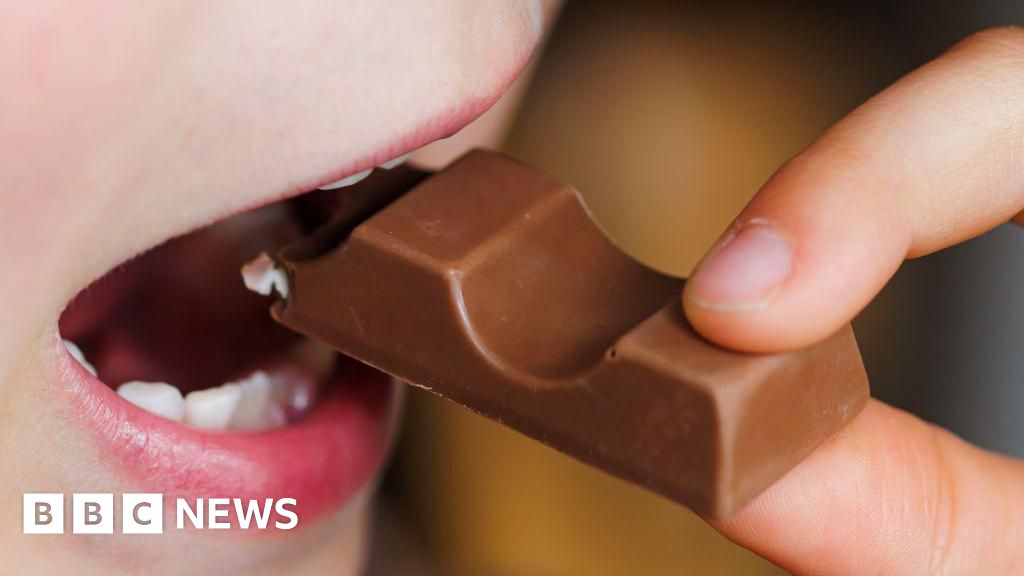
Key staples, particularly chocolate, butter, and eggs, have experienced “significant increases” in price. Helen Dickinson, chief executive of the BRC, attributes this rise to high demand, supply constraints, and increased labor costs. Additionally, the global cocoa price remains high due to poor harvests, linked to climate change and crop disease.
While food prices are on the rise, there is some relief for families as they prepare for the new academic year, with decreases observed in the cost of clothing, books, and stationery. Mike Watkins, head of retailer and business insight at NIQ, stated that the recent uptick in food inflation reflects several factors, including global supply costs, seasonal fluctuations driven by weather, and rising operational expenses.
As households return from summer holidays, there may be a need to reassess budgets in light of increasing household bills. The uptick in food prices has also contributed to the overall inflation rate in the year up to July, which is reported at 3.8%, an increase from 3.6% in June. The ONS has indicated that the costs of food and non-alcoholic beverages increased by 4.9% in this same period, up from 4.5% in the previous month. Furthermore, over the past five years, food prices have surged by approximately 37%.
Source: https://www.bbc.com/news/articles/cly4eme0284o?at_medium=RSS&at_campaign=rss