
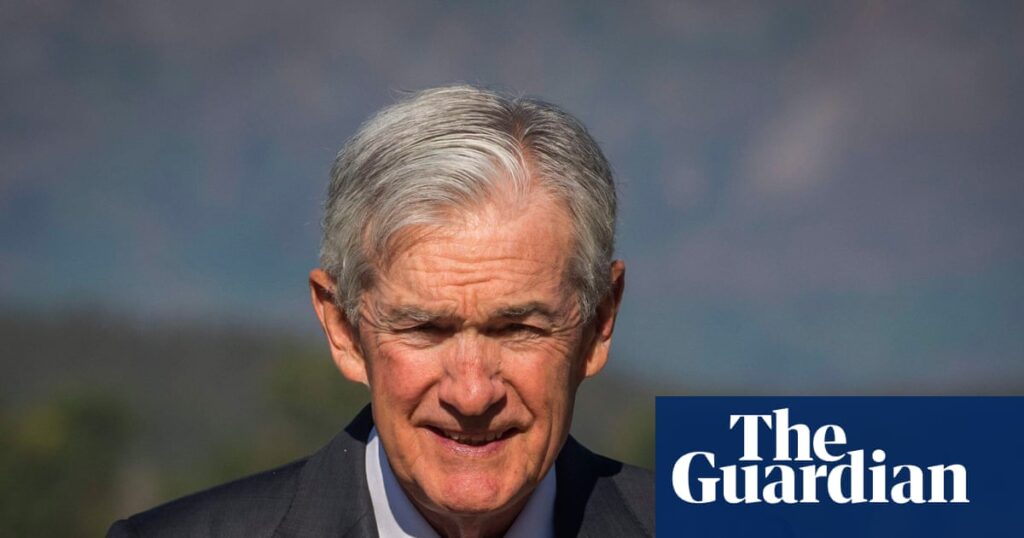
On Friday, U.S. stock markets experienced a significant rise in response to signals from the Federal Reserve indicating potential cuts to interest rates this fall. Federal Reserve Chair Jerome Powell’s remarks at the annual Jackson Hole symposium highlighted this optimism while also addressing the longer-term outlook for interest rates, suggesting that their neutral level might now be higher than in the previous decade.
Powell mentioned, “We cannot say for certain where rates will settle out over the longer run, but their neutral level may now be higher than during the 2010s.” This indicates that even if interest rates are decreased later in the year, they might not return to pre-pandemic figures. Market analysts such as Ryan Sweet from Oxford Economics caution that investors may have unrealistic expectations about the pace of these rate cuts.
Higher interest rates have implications for borrowing costs, particularly for loans like mortgages. In 2021, the average fixed mortgage rate was just below 3%, whereas it has now climbed to about 6.7%, complicating home purchasing for many Americans. Recent political moves, including calls from former President Trump to reduce rates to 1%, are unlikely to actualize in the near term.
The Federal Reserve aims to achieve a balance where interest rates are neither too high—risking unemployment—nor too low, which could trigger inflation. Following a series of rate hikes that began in 2022 to combat rising inflation, the job market remained robust, achieving what is referred to as a “soft landing.” However, the current economic landscape has shifted, partly due to Trump’s trade policies, which Powell noted have begun to affect pricing.
With recent trends suggesting a slowdown in consumer spending and GDP growth, Powell’s comments at Jackson Hole indicate a cautious approach moving forward. He expressed challenges in differentiating between cyclical and structural economic changes, suggesting limitations to the effectiveness of monetary policy in times of significant external economic disturbances.
Source: https://www.theguardian.com/business/2025/aug/22/federal-reserve-trump-rate-cuts