
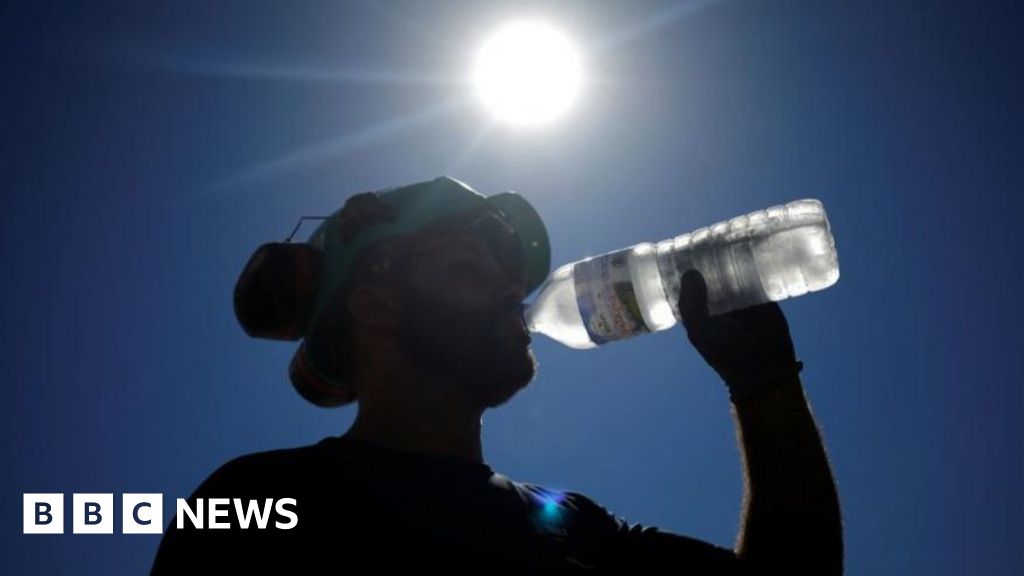
A recent report from the World Health Organization (WHO) and the World Meteorological Organization (WMO) highlights the urgent need for improved protection for workers exposed to extreme heat due to climate change. The report indicates that millions of workers face health risks associated with heat stress, which can adversely impact both their well-being and job performance. It emphasizes the importance of collaboration among governments, employers, and workers to establish effective adaptation strategies.
This report marks the first in-depth examination of heat stress in the workplace by the WHO since 1969. The findings suggest that rising body temperatures above 38°C can lead to severe health issues such as heat-related stress, stroke, and kidney failure. The WMO has noted that the past decade has recorded unprecedented high temperatures, with projections indicating that 2024 could be the hottest year on record.
In Europe, temperatures exceeding 40°C have become increasingly common, while regions in Africa and the Middle East have seen temperatures soar to 50°C. The WHO report also reveals a direct correlation between temperature increases and productivity loss, estimating a 2% reduction in output for each degree rise above 20°C. Additionally, workplace accidents may increase; for example, data from Switzerland showed a 7% rise in accidents when temperatures surpassed 30°C during the summer of 2023.
Some European nations are beginning to implement adaptive measures. Italy recently passed a decree allowing workers to avoid outdoor tasks during peak heat hours, and in Switzerland, construction activities were halted during the heatwave. The WHO report further identifies vulnerable populations, including the elderly and children, who require protections in schools and other settings.
To address these escalating risks, the report calls for comprehensive adaptation strategies involving multiple stakeholders, including local health and education authorities. A potential strategy presented by WHO officials includes revising school uniforms to suit hotter conditions. Adequate investment will be necessary, as climate adaptation efforts often compete with other funding priorities, particularly in Europe. The report stresses that failing to adapt could lead to significant productivity losses due to heat-related health issues among workers.
Source: https://www.bbc.com/news/articles/c5ylwxl5n01o?at_medium=RSS&at_campaign=rss