
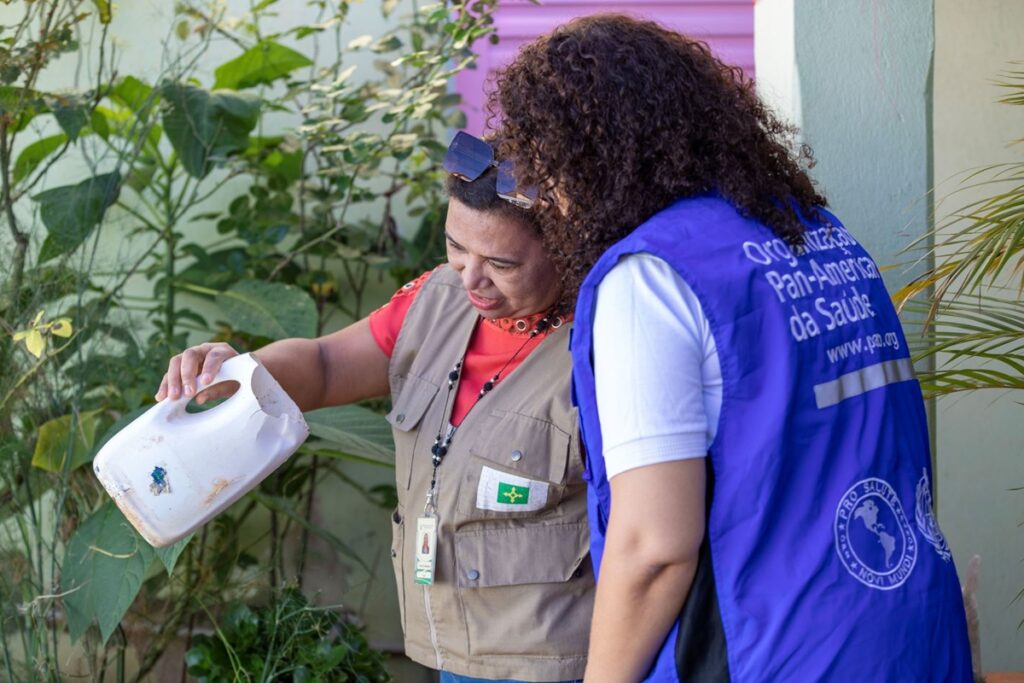
Dengue is a viral infection caused by the dengue virus (DENV), primarily transmitted to humans through the bites of infected Aedes mosquitoes. Presently, about half of the global population is at risk, with an estimated 100 to 400 million infections occurring annually. The disease is more common in tropical and subtropical regions, especially in urban and semi-urban areas.
While many infections go unnoticed or result in mild illness, severe cases can lead to hospitalization or even death. Common symptoms include high fever, severe headache, muscle pain, and rash. Individuals who contract DENV for a second time face a higher risk of severe dengue.
Currently, there is no specific treatment for dengue; management focuses on pain relief and hydration. Clinical diagnosis plays a crucial role in the effective management of the disease, although disparities in laboratory capabilities challenge global response efforts. Protective measures against mosquito bites are essential for prevention.
The number of dengue cases has surged recently, with over 14.6 million cases reported globally in 2024, marking the highest annual count to date. Contributing factors to this increase include changing mosquito distributions, climate change, and inadequate health infrastructure in affected regions. The virus is also spreading to new geographical areas, including parts of Europe.
- Why it matters: The growing incidence of dengue poses a significant threat to public health, impacting healthcare resources and economic stability in affected regions. Businesses should be aware of potential health risks to employees and plan accordingly.
- The latest: As of 2025, over 4 million cases and 3,000 deaths have been reported in 97 countries, highlighting the ongoing spread of the disease.
Source: https://www.who.int/news-room/fact-sheets/detail/dengue-and-severe-dengue
Source: https://www.who.int/news-room/fact-sheets/detail/dengue-and-severe-dengue