
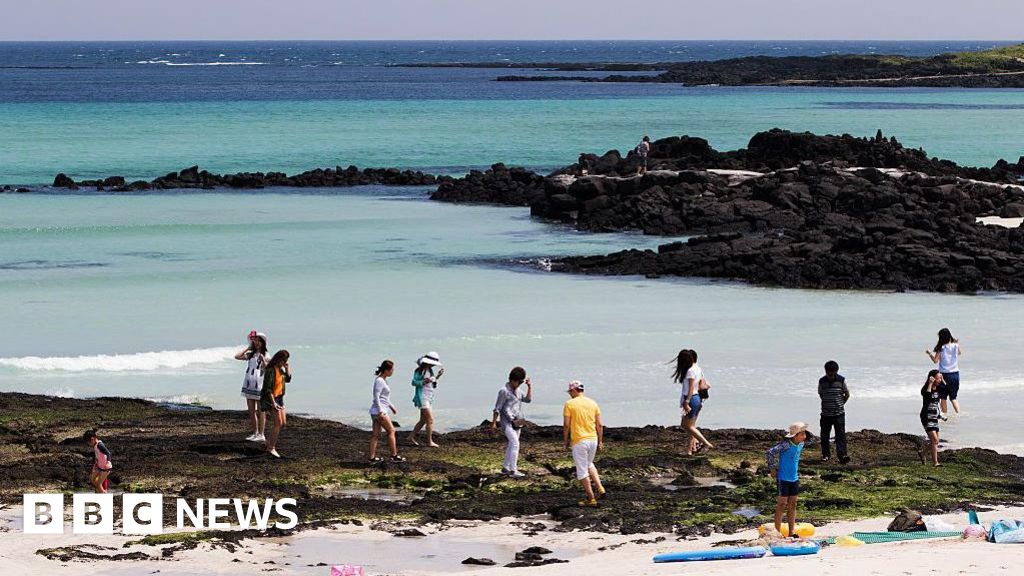
Police in Jeju, South Korea, have introduced guidelines for foreign visitors to encourage appropriate behavior during their stay, as the island experiences a significant increase in tourism. This initiative comes in response to complaints from local residents regarding various issues, including littering and public defecation by children.
The guide has been published in Chinese, English, and Korean and is noted to be the first of its kind in South Korea, coinciding with the peak summer tourism season. Jeju, famous for its beaches, hiking trails, and scenic mountain views, also attracts tourists for shopping and gambling.
According to Kim Su-young, chief of the Jeju Police Agency, the purpose of the guide is to minimize misunderstandings stemming from language and cultural differences, while enhancing foreign visitors’ comprehension of Korean laws and customs. An initial print run of 8,000 copies of the guide will be distributed promptly.
The document outlines various “minor offences” that can result in fines, such as smoking in prohibited areas, littering, jaywalking, public intoxication, leaving restaurants without paying, public urination or defecation, using fake identification, and trespassing in vacant properties. First-time offenders will receive a warning, whereas repeat violators could face fines of up to 200,000 won (approximately $143 or £106).
As tourism rebounds post-pandemic, Jeju has welcomed approximately seven million visitors this year alone. In 2024, foreign travelers contributed a record 9.26 trillion won to the local economy, with nearly 70% of these visitors arriving from China. This effort by Jeju authorities reflects a broader trend among tourism hotspots in Asia, addressing challenges associated with over-tourism.
Source: https://www.bbc.com/news/articles/c939j4n2274o?at_medium=RSS&at_campaign=rss