
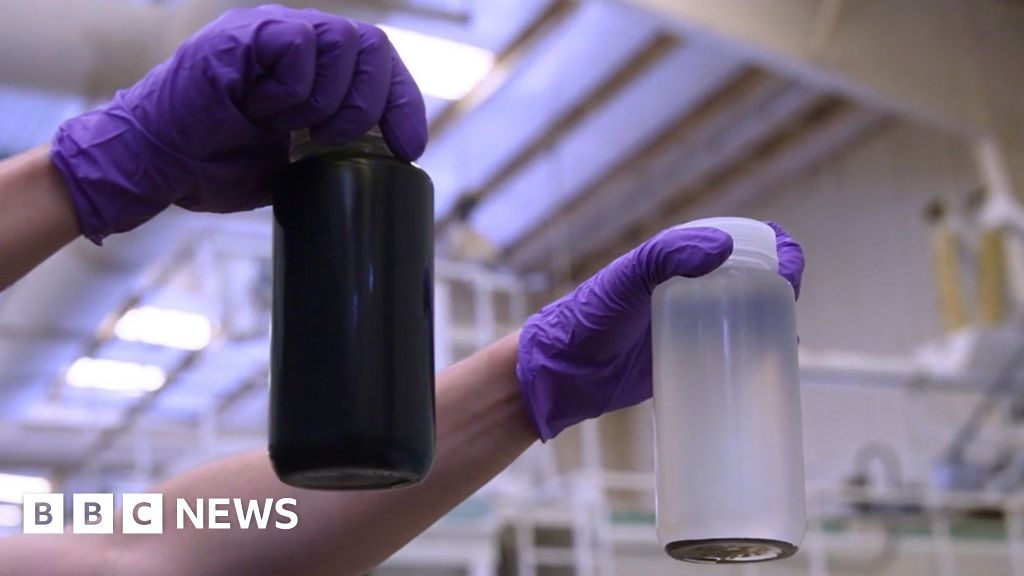
Perfluoroalkyl and Polyfluoroalkyl Substances (PFAS), known as “forever chemicals,” pose significant environmental and health concerns due to their persistent nature. Used in products such as waterproof clothing, non-stick pans, and food packaging, these man-made chemicals resist degradation and have been linked to various health issues, including certain cancers and reproductive problems. The robustness of the carbon-fluorine bonds in PFAS allows them to remain in the environment for decades.
Efforts to detect and remove PFAS from water and soil are underway, but the disposal of concentrated PFAS waste remains a challenge. Current methods for managing PFAS waste include long-term storage, incineration—which can lead to harmful emissions—and hazardous waste landfilling. In response, clean-tech companies are developing innovative destruction techniques that are currently being tested through pilot projects with industrial manufacturers, municipal wastewater treatment facilities, and military sites.
A growing market for PFAS destruction has emerged, particularly in the U.S., where regulatory pressures and legal liabilities motivate action. The EPA plans to enforce legal limits on PFAS in drinking water as of 2031. Meanwhile, the EU has similar regulations set to take effect in the coming year.
Various technologies have been identified for effectively destroying PFAS. Electrochemical oxidation (EO) is one promising method that uses electric currents to break down PFAS. Another technique, Supercritical Water Oxidation (SCWO), employs extreme heat and pressure to dismantle PFAS structures. Both methods are being pilot-tested in multiple locations, including a wastewater treatment facility in Orlando, Florida.
However, concerns regarding potential byproducts from these destruction methods highlight the need for comprehensive studies. Collaboration with the U.S. Department of Defense, where PFAS contamination is a significant issue at military sites, has become crucial in validating these technologies.
As discussions continue around PFAS management, the demand for effective destruction solutions appears set to grow, especially as regulations tighten and new waste streams from industries like semiconductor manufacturing arise.
Source: https://www.bbc.com/news/articles/clydd630pxzo?at_medium=RSS&at_campaign=rss