
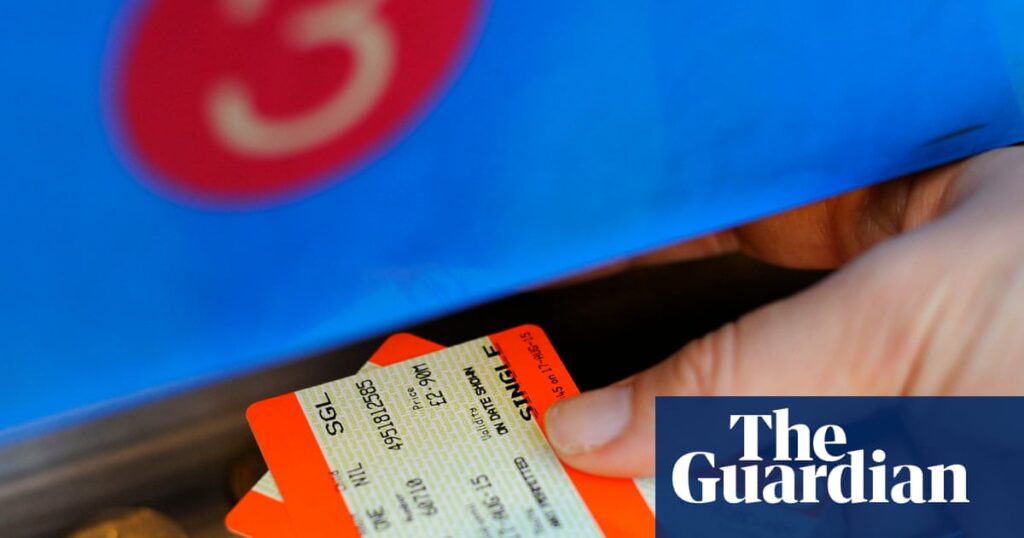
Train fares in England may increase by up to 5.6% in the coming year, with concerns from campaigners about the potential impact on passenger numbers. The annual adjustments to train ticket prices are based on the inflation rate reported in July, which will be announced on Wednesday.
Forecasts from economists suggest that the retail prices index (RPI), the inflation measure used for fare calculations, will reach 4.6% this July. If fare increases follow last year’s pattern, regulated fares, which cover nearly half of rail journeys, could rise by 5.6% in 2026. Although the government has not confirmed the fare calculation method for next year, regulated fares previously rose by 4.6% in March, which reflected a 1% increase above the July 2024 RPI reading.
Bruce Williamson of Railfuture commented on the proposed fare increase, questioning the justification for surpassing inflation in fare hikes. He noted that such increases could discourage travel by rail and increase congestion on road networks. Williamson also expressed support for a government-imposed fare freeze and suggested that integrating rail services under public ownership could yield efficiency savings.
About 50% of rail fares in England are set by the UK government, with the devolved governments of Scotland and Wales generally maintaining similar fare levels. Regulated fares include season tickets, off-peak returns for long-distance travel, and flexible urban rail tickets.
This potential rise in travel costs coincides with a broader increase in living expenses, with estimates indicating a consumer price index inflation of 3.7% in July, up from 3.6% in June. The government plans to provide updates on regulated fare changes later in the year, emphasizing its commitment to passenger interests and the sustainability of the rail network.
Source: https://www.theguardian.com/money/2025/aug/18/rail-fares-england-rise-trains-inflation-ticket-prices