
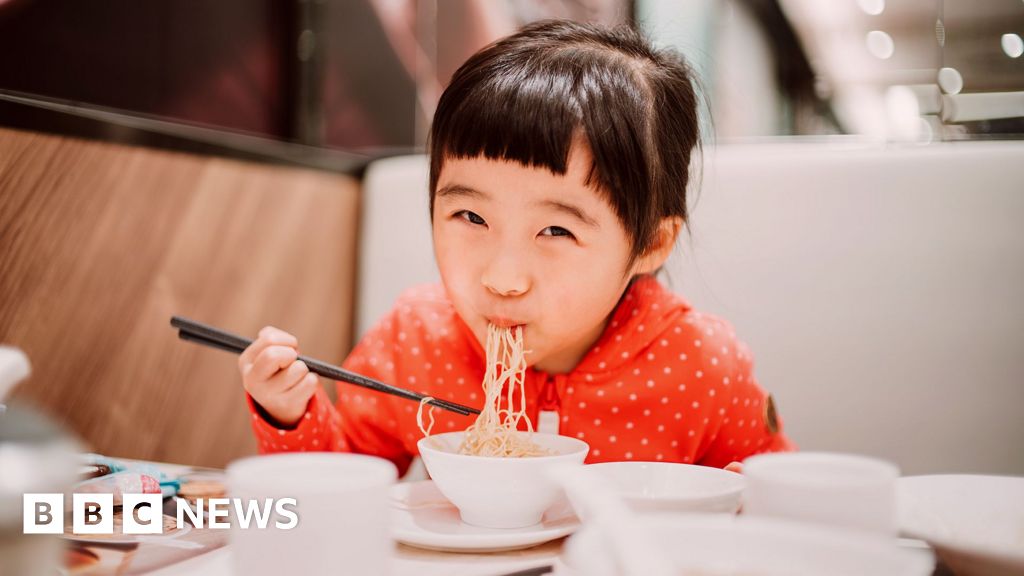
Chinese cuisine is increasingly gaining popularity outside of China, particularly in Singapore, where a growing number of Chinese restaurant chains are establishing themselves. This trend is evident in various dishes from different regions, such as grilled fish seasoned with chillis from Chongqing, lamb skewers from Xinjiang, and rice noodles flavored with snails from Guangxi. Singapore, known for its multicultural population—over three-quarters of which is ethnically Chinese—serves as a prime market for these culinary offerings.
The rise of Chinese food abroad reflects the expanding influence of Chinese culture and the competitive dining market in China itself. In just two years, Chinese brands like Luckin Coffee have multiplied their outlets in Singapore, with significant advertising across the city. This rapid expansion serves as validation for potential investors looking into further international ventures.
The appeal of Singapore as a dining destination is further enhanced by its diverse palate and status as a travel hub, attracting a mix of tourists, including ethnic Chinese from various Southeast Asian countries. This audience often seeks authentic and varied representations of Chinese cuisine, moving beyond traditional offerings like dumplings and hot pots.
Chinese chains such as Nong Geng Ji, which focuses on Hunan cuisine, are capitalizing on this demand by introducing distinct regional flavors. Their success can reshape perceptions of Chinese food, contrasting more simplified versions that have historically emerged in Western markets. With customers increasingly requesting “proper Chinese food,” the growing diaspora facilitates a return to authentic culinary traditions.
While this expansion poses challenges for local businesses in Singapore, it also represents a potential for cultural diplomacy. Experts suggest that the culinary prowess of China could play a role in improving global perceptions of the nation, possibly likening it to past diplomatic efforts, such as the historic table tennis matches between the U.S. and China in 1971.
Source: https://www.bbc.com/news/articles/cy4dk1z02w7o?at_medium=RSS&at_campaign=rss