
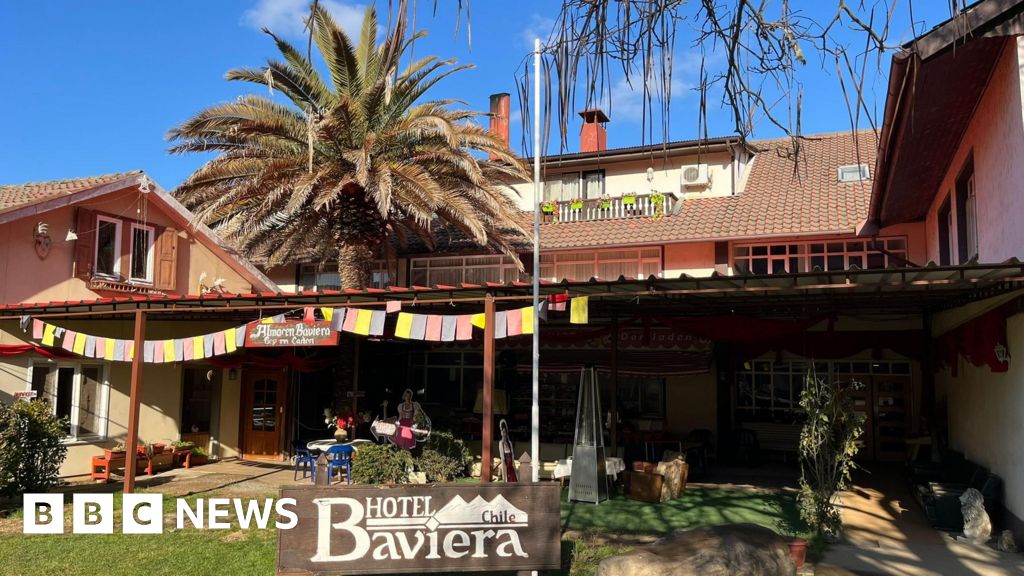
Villa Baviera, located in central Chile, showcases Bavarian-style architecture with features like sloping red-tiled roofs and home-baked goods sold in a local shop. However, this quaint village has a troubling history as the former Colonia Dignidad, a secretive religious colony founded by Paul Schäfer in 1961, who partnered with Augusto Pinochet’s regime. Residents, primarily Germans, lived under strict control, including harsh punishments, separation from families, and forced labor from a young age.
After Pinochet’s coup in 1973, Colonia Dignidad became known for its role in the torture of political prisoners. Reports indicate that many detainees brought there were never seen again. Following Schäfer’s death in 2010, some former residents transformed the site into a tourist attraction, featuring a restaurant and cabins. However, plans by the Chilean government to expropriate parts of the land to honor Pinochet’s victims have ignited debate among the community.
Proponents of the memorial site emphasize the need for remembrance, as over 3,000 Chileans were killed and many more tortured during the Pinochet regime. Each family affected remembers the horror of disappearances, such as that of Luis Evangelista Aguayo, who vanished after his arrest post-coup. His sister recalls desperate searches for him and haunting memories felt by their mother.
Amidst the government’s expropriation plans for 117 hectares, which include buildings associated with torture, opinions among the current residents are conflicted. Some express concerns about losing their homes and livelihoods, while others believe it’s crucial to educate future generations about the atrocities committed there. Justice Minister Jaime Gajardo has highlighted the importance of ensuring these historical events are not forgotten, aiming for the site to become accessible for public reflection on the past.
Source: https://www.bbc.com/news/articles/c93k3l373n5o?at_medium=RSS&at_campaign=rss