
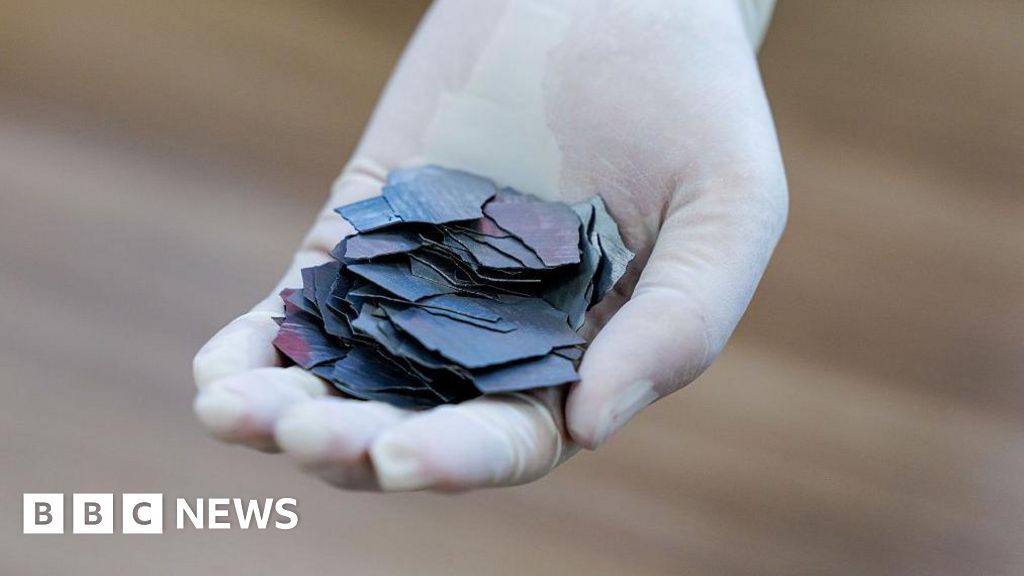
In the remote region of Eneabba, Western Australia, significant reserves of rare earth minerals lie beneath the surface, prompting an investment of A$1.65 billion (approximately US$1 billion) by the Australian government in a mining initiative. This massive stockpile, containing critical minerals necessary for electric vehicles, wind turbines, and defense applications, is seen as an opportunity to diminish reliance on China, which currently dominates the rare earth supply chain.
China has increased its control over the rare earth market, leading to supply disruptions that have affected global manufacturers, including major automakers like Ford. The importance of diversifying supply sources has become evident, especially as the US sources 80% of its rare earth imports from China, while the EU relies on China for nearly 98%. In response, Australia aims to establish a more independent and sustainable supply chain.
The process of refining rare earths, however, poses environmental challenges due to the potential generation of radioactive waste. Australia’s investment in a new refinery is intended to address this while aiming for a production increase of 50-170% by the end of the decade. This move is critical, as resources minister Madeleine King emphasizes the necessity of developing a competitive rare earths industry to ensure stability in supply.
While Australia’s mining efforts could lead to a more environmentally responsible operation compared to China’s past practices, the processing phase remains a concern due to its inherent pollution risks. Future operations will need to balance the strategic need for rare earths with the environmental impacts associated with their extraction and refining.
Source: https://www.bbc.com/news/articles/cgm2z91mvlvo?at_medium=RSS&at_campaign=rss