
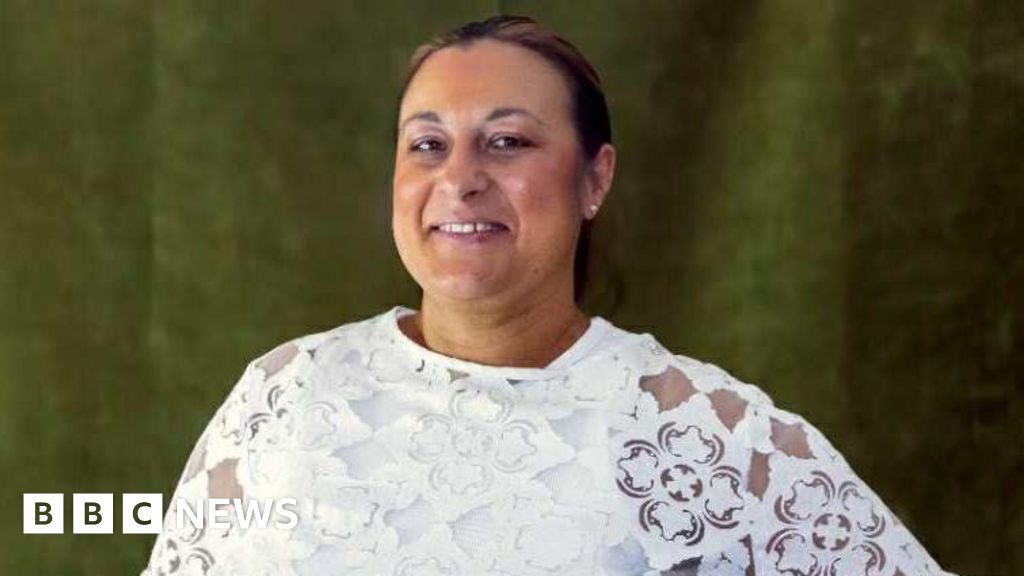
Leanne McDonald, founder of the support group Simple Acts of Kindness in Wolverhampton, reports an increase in working individuals seeking assistance amid the ongoing cost-of-living crisis. Established during the pandemic, the organization provides essential household items, such as furniture and clothing, to families across Wolverhampton, Birmingham, and the Black Country. Currently, the group helps approximately six to seven families each week and also connects individuals to other necessary services.
Ms. McDonald has observed a notable rise in the number of employed individuals, including full-time teachers and nursing staff, requesting help with food resources. Many of these professionals, despite their skills and positions, are struggling to afford basic necessities for their families. The situation has raised concerns about the viability of living on current wages in essential service roles.
Additionally, Ms. McDonald, who balances her charity work with a full-time job at a training academy, expresses frustration over the financial difficulties faced by teaching staff, emphasizing the importance of supporting educators responsible for nurturing children and families. The financial pressures have also affected the support group itself, with the number of volunteers decreasing from ten to three, as some are compelled to seek extra paid work due to their own financial challenges.
Currently, Simple Acts of Kindness operates out of Ms. McDonald’s family home and utilizes rented storage space for donations. Despite feeling overwhelmed by increased demand and fewer volunteers, Ms. McDonald remains committed to the group’s mission, noting that the need for support persists. To further fund the organization, a community event has been planned for August 30 at the Golden Bar and Grill in Wolverhampton.
This situation unfolds alongside a broader warning from Citizens Advice, indicating that individuals on lower incomes are struggling to manage rising bills. A recent report highlighted that the lowest-income households allocate a significantly larger portion of their earnings to essential costs compared to middle and higher-income earners.
Source: https://www.bbc.com/news/articles/cn0r9q9v0r2o?at_medium=RSS&at_campaign=rss