
Indoor air quality is receiving increased attention due to the potential health risks posed by airborne particles, often invisible and undetectable by human senses. Recent public discussions, influenced partly by the COVID-19 pandemic, highlight the importance of clean indoor air, particularly in shared spaces like grocery stores and hospitals.
This week’s guest on The People’s Pharmacy is Dr. Linsey Marr, a professor of civil and environmental engineering at Virginia Tech. Dr. Marr specializes in airborne transmission of infections and emphasizes that viral particles can remain in the air long after an infected person has left the area. She notes that effective ventilation and filtration can significantly improve indoor air quality. Public spaces should ideally achieve 4 to 6 air exchanges per hour, while home air systems might benefit from high-efficiency particulate arresting (HEPA) filters.
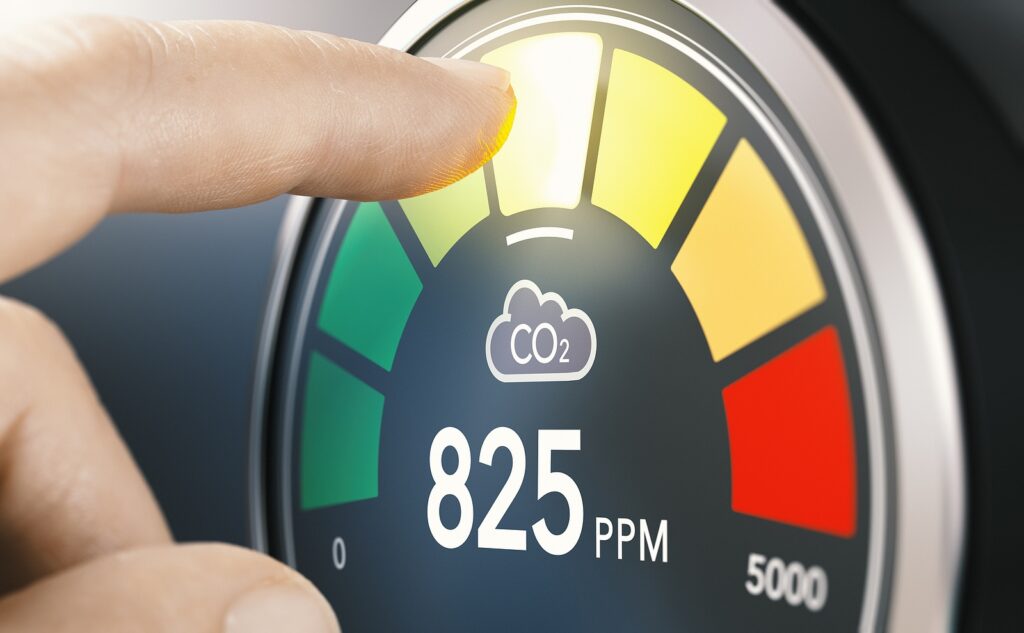
Monitoring carbon dioxide (CO2) levels in indoor environments can also provide insights into air quality. Elevated CO2 levels indicate insufficient ventilation, which can raise the risk of airborne infections. Simple measures, such as using CO2 monitors and implementing effective filtration systems, can be adopted even in settings with limited air quality resources.
The podcast of this discussion is set to be available on December 8, 2025, following the broadcast on December 6, 2025.
- Why it matters:
- Improving indoor air quality can reduce the spread of airborne infections, affecting public health and safety.
- Understanding ventilation and filtration benefits allows businesses and individuals to make informed decisions about air quality management.
- The latest: The podcast covering these topics will be available on December 8, 2025.
Source: https://www.peoplespharmacy.com/articles/show-1454-stopping-airborne-viruses-simple-steps-to-cleaner-indoor-air
Source: https://www.peoplespharmacy.com/articles/show-1454-stopping-airborne-viruses-simple-steps-to-cleaner-indoor-air