
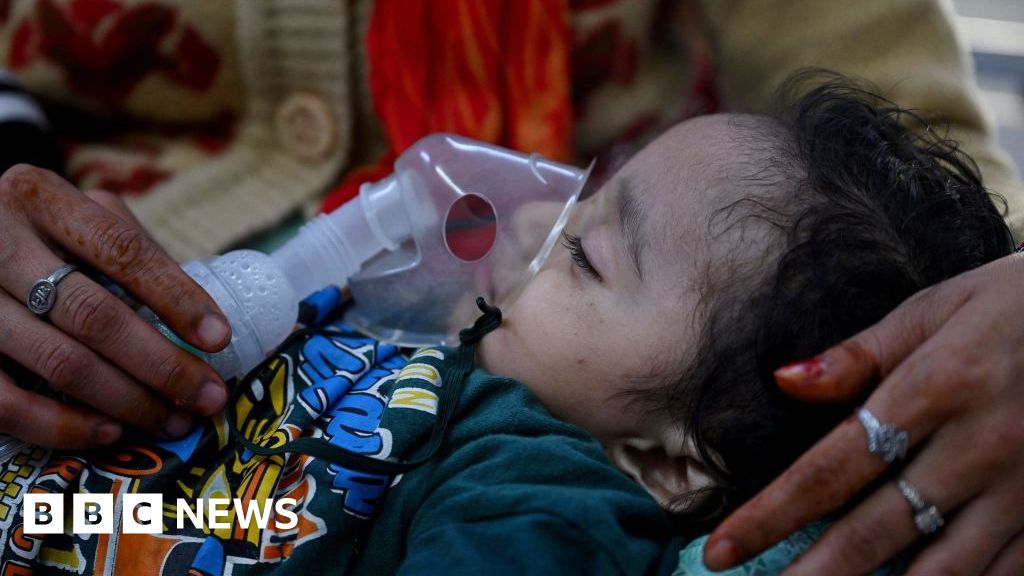
Between 2022 and 2024, over 200,000 cases of acute respiratory illnesses were reported at six state-run hospitals in Delhi, according to the Indian federal government. More than 30,000 individuals diagnosed with respiratory conditions required hospitalization during this period. Delhi has long struggled with severe air pollution, particularly in the winter months. Recent assessments of the city’s Air Quality Index (AQI) indicate levels that have repeatedly exceeded the World Health Organization’s recommended safety limits by over 20 times.
The pollution issue in Delhi is complex, driven by various factors including industrial emissions, vehicle exhaust, low temperatures, stagnant winds, and the seasonal burning of crop stubble in surrounding states. Specifically, the recorded acute respiratory cases for the hospitals in question were 67,054 in 2022, 69,293 in 2023, and 68,411 in 2024. The government noted that while there is an observed correlation between rising pollution levels and increased emergency room visits, establishing a direct causal relationship remains unproven.
Delhi’s AQI has frequently crossed into the “severe” category, with levels above 400 posing health risks even to those without pre-existing conditions. As of the latest reports, the average AQI in Delhi was approximately 380. Many hospitals in the area have noted a significant increase in respiratory complaints, particularly among children, linked to the deteriorating air quality.
In response to ongoing concerns, the Delhi High Court is scheduled to address a petition regarding urgent actions needed to tackle the hazardous air pollution. Additionally, India’s Supreme Court has also expressed apprehensions about air quality in Delhi and nearby regions.
Source: https://www.bbc.com/news/articles/cp39q5n5037o?at_medium=RSS&at_campaign=rss