
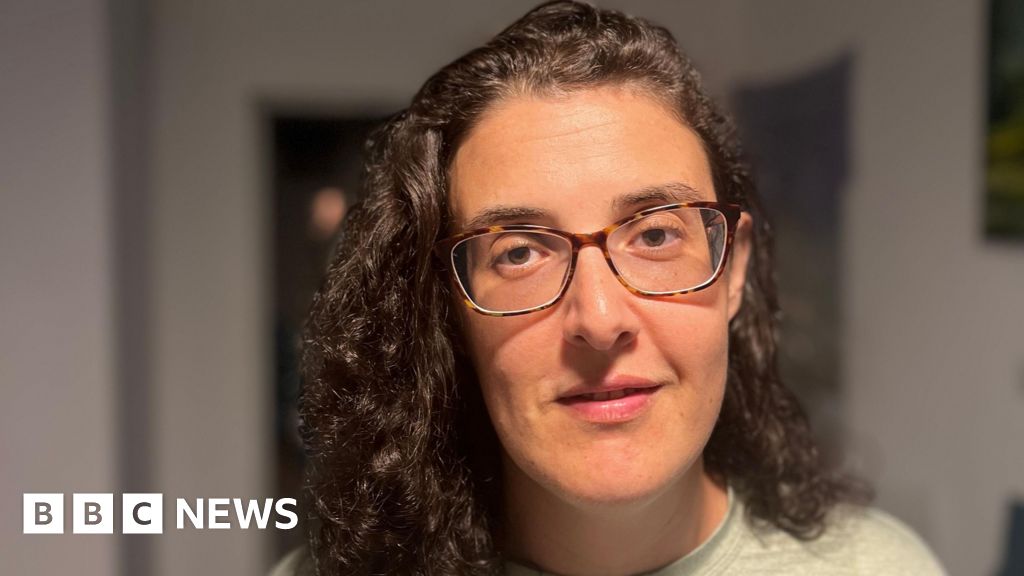
Elizabeth Tsurkov, an Israeli-Russian woman recently freed from captivity in Iraq, recounted her experiences after being held for two and a half years by militants. During an interview with the BBC, she detailed how she created fabricated confessions to deter her captors from inflicting torture, which she endured for 100 days. Tsurkov, a 39-year-old doctoral student at Princeton University, was conducting fieldwork in Baghdad when she was kidnapped in March 2023.
Tsurkov described the brutal treatment she received, including physical and sexual abuse. Initially, her captors, believing her to be a spy, subjected her to extreme torture after discovering her Israeli citizenship through her phone. Despite the abuse, she attempted to strategize by inventing elaborate falsehoods aligned with her captors’ conspiratorial worldview to avoid further torture.
She speculated that her captors were members of Kataib Hezbollah, a powerful Iran-backed militia in Iraq. Tsurkov noted that during her captivity, she was isolated and subjected to various methods of torture, including “the scorpion” technique, which often results in dislocated shoulders.
Tsurkov’s release in September was reportedly influenced by external diplomatic pressure. U.S. businessman Mark Savaya, recently appointed U.S. special envoy to Iraq, conveyed a message to Iraqi Prime Minister Mohammed Shia al-Sudani regarding the implications of her continued captivity. Following this intervention, Tsurkov was released, though conflicting narratives emerged regarding the circumstances of her freedom.
Upon returning to Israel, Tsurkov is now focusing on her rehabilitation and aims to complete her PhD. She expressed concern over the strengthening of Iran-backed militias in Iraq and reflected on the ongoing challenges in the region, emphasizing the impacts of corruption and insecurity.
Source: https://www.bbc.com/news/articles/cj69588eewyo?at_medium=RSS&at_campaign=rss