
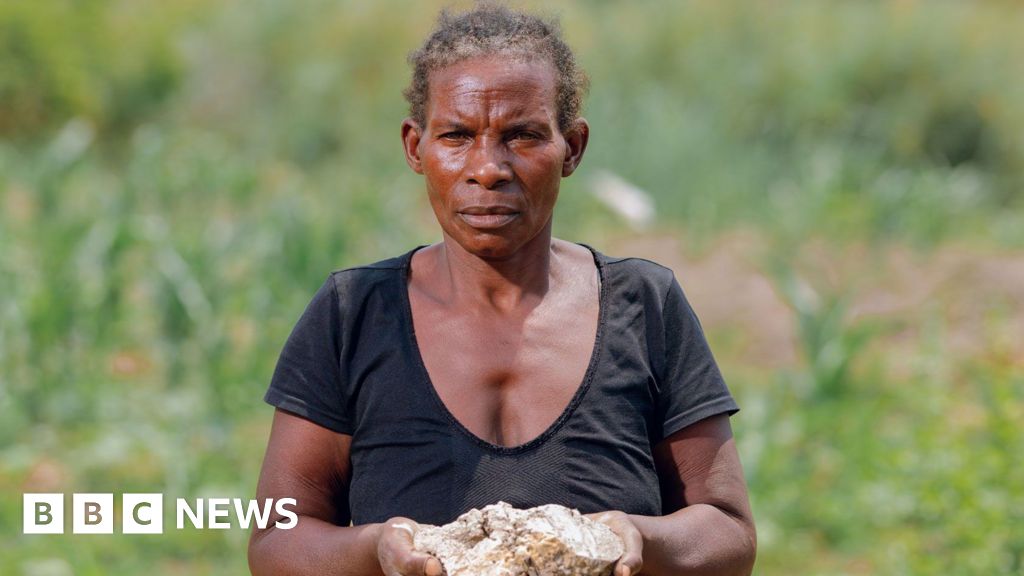
In February 2024, a tailings dam at a Chinese-owned copper mine in Zambia collapsed, releasing hazardous waste into local waterways and farmland. This incident has raised concerns among farmers and environmentalists about lasting contamination. Lamec, a miner who spoke anonymously for fear of retaliation, remarked on the lack of safety measures and equipment replacements at his workplace. Following the spill, it was reported that between 50,000 to 1.5 million tonnes of toxic debris, containing heavy metals like arsenic, mercury, and lead, contaminated the environment, heavily impacting local agriculture and water sources.
According to local farmers, the toxic spill has caused fish deaths and rendered water undrinkable, disrupting livelihoods for many, including those in the nearby towns of Chambishi and Kitwe. There are concerns that the onset of the rainy season could exacerbate the situation by washing heavy metals further into the soil and waterways. Environmental experts have pointed out potential health risks associated with consuming contaminated water.
The Chinese embassy in Zambia has contested claims regarding the extent of the damage, asserting that pollution levels have been contained and current assessments show no significant public health risks. Meanwhile, the Zambian government is reportedly aware of safety and environmental concerns and has mandated Sino Metals to implement measures aimed at reducing pollution, such as tree planting and lime application.
In light of the disaster, a lawsuit has been filed by 176 farmers against Sino Metals, claiming substantial damages due to the spill. The lawsuit is seen as significant in assessing how African nations hold foreign companies accountable for environmental misconduct. Local authorities are monitoring the situation closely, and while some compensation payments have been made, the process remains contentious.
As Zambia navigates its relationship with China, some experts suggest that escalating cooperation with other powers, such as the United States, could influence negotiations regarding the cleanup and accountability, amidst ongoing discussions of neocolonialism in foreign investments.
Source: https://www.bbc.com/news/articles/cj6nly288j4o?at_medium=RSS&at_campaign=rss