
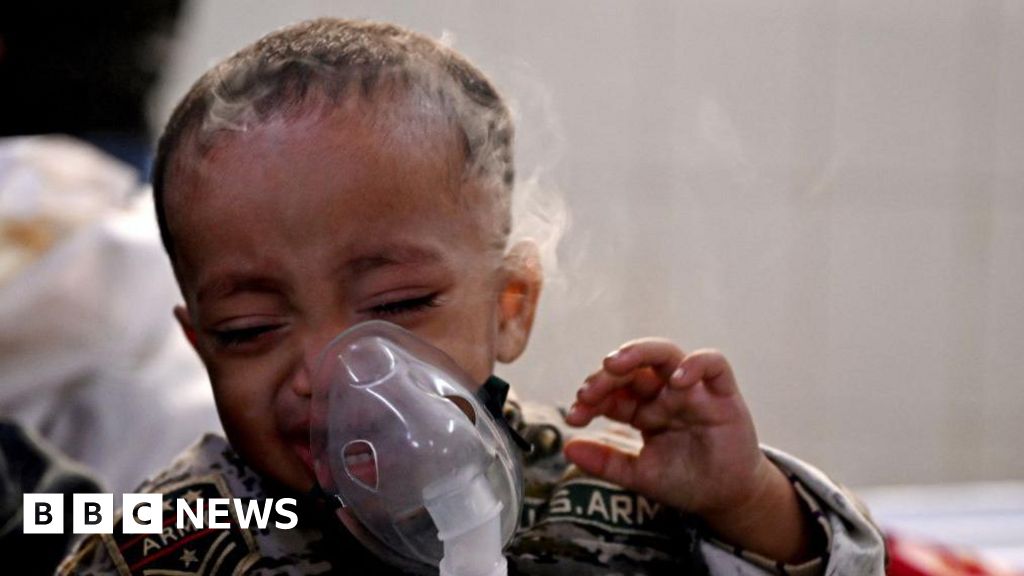
In recent weeks, hospitals in Delhi have reported a notable increase in children experiencing breathing difficulties, a situation attributed to the city’s ongoing pollution challenges. The toxic haze in the Indian capital particularly affects children, who often require medical attention during seasonal spikes in air quality issues. Pediatric clinics in the region report high volumes of young patients suffering from respiratory ailments, with many parents expressing concern for their children’s health.
Delhi’s air quality frequently dips to hazardous levels during the winter months, exacerbated by various factors including low wind speeds, vehicle emissions, industrial activity, and the burning of agricultural waste in neighboring areas. In the past month, the city’s Air Quality Index (AQI), which measures pollution levels, has consistently remained above 300, significantly exceeding the World Health Organization’s recommended limits. Such environmental conditions can have serious implications for children’s health, particularly those with pre-existing conditions.
Local healthcare professionals have noted a significant rise in respiratory issues among their young patients, with reports indicating that the number of cases has increased dramatically during pollution season. Hospitals are treating children with severe conditions due to exposure to fine particulate matter known as PM2.5, which poses a severe health risk.
In response to these challenges, authorities have attempted to implement emergency measures, such as postponing outdoor activities for children. However, many parents are left questioning how long they can keep their children indoors. Some families are contemplating relocation to avoid the heightened risk of health complications related to air pollution. As discussions continue about the impact of environmental factors on children’s well-being, the need for effective solutions remains urgent.
Source: https://www.bbc.com/news/articles/cx23lyp2dmeo?at_medium=RSS&at_campaign=rss