
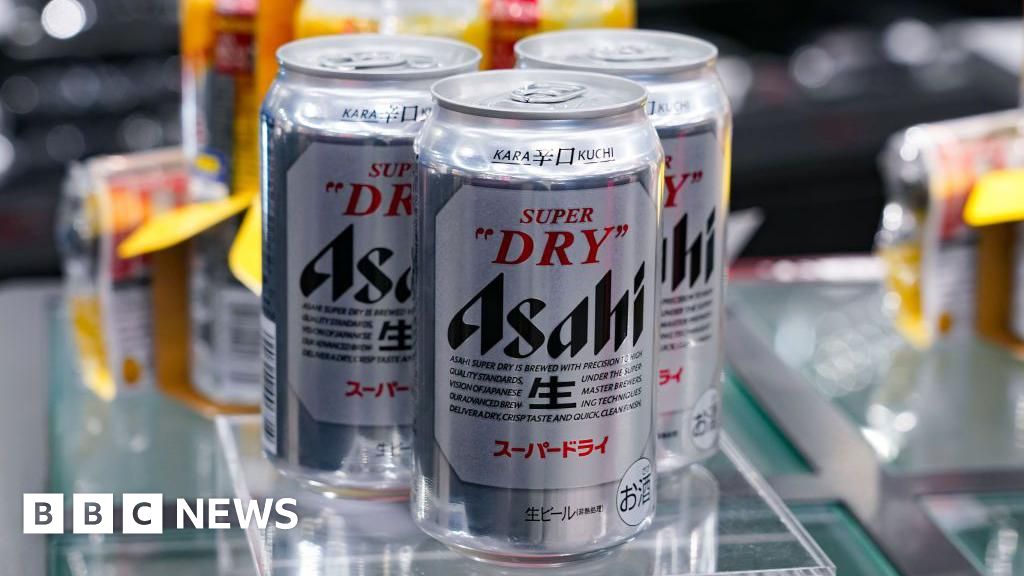
Japanese beverage manufacturer Asahi announced on Thursday that a significant ransomware attack in September may have compromised the personal information of over 1.5 million customers. The company, which is a major player in Japan’s beer market, stated that the cyber incident had severely disrupted operations in its factories, necessitating manual order-taking methods.
Following the attack, Asahi reported potential exposure of personal details belonging to individuals who had interacted with its customer service. The company indicated that notifications will be sent to affected customers shortly. In light of the situation, Asahi has also decided to postpone the announcement of its full-year financial results to focus on managing the consequences of the attack.
While Asahi did not reveal specifics about the attackers’ identity or their demands, the ransomware group Qilin has claimed responsibility for the incident. Preliminary findings suggest that an intrusion occurred on September 29 at one of Asahi’s data centers. Although the system was isolated quickly, further investigation revealed that the attackers had already gained access, encrypted data, and launched ransomware.
The compromised data potentially includes names, addresses, and contact information of 1.52 million customers, along with information from approximately 107,000 current and former employees and 168,000 family members. Additionally, contact details of 114,000 external individuals who interacted with the firm may have been affected. Asahi clarified that credit card information was not included in the leaked data and stated that it has not found evidence of the data being publicly released.
The cyber incident has resulted in a supply shortage of Asahi products, affecting both its beer and soft drink lines, as the company accounts for about 40% of Japan’s beer market. The president and CEO of Asahi acknowledged the disruption and expressed a commitment to restoring systems and enhancing information security to prevent future occurrences. Other businesses globally, such as Jaguar Land Rover, have also faced similar cyberattacks recently.
Source: https://www.bbc.com/news/articles/ce86n44178no?at_medium=RSS&at_campaign=rss