
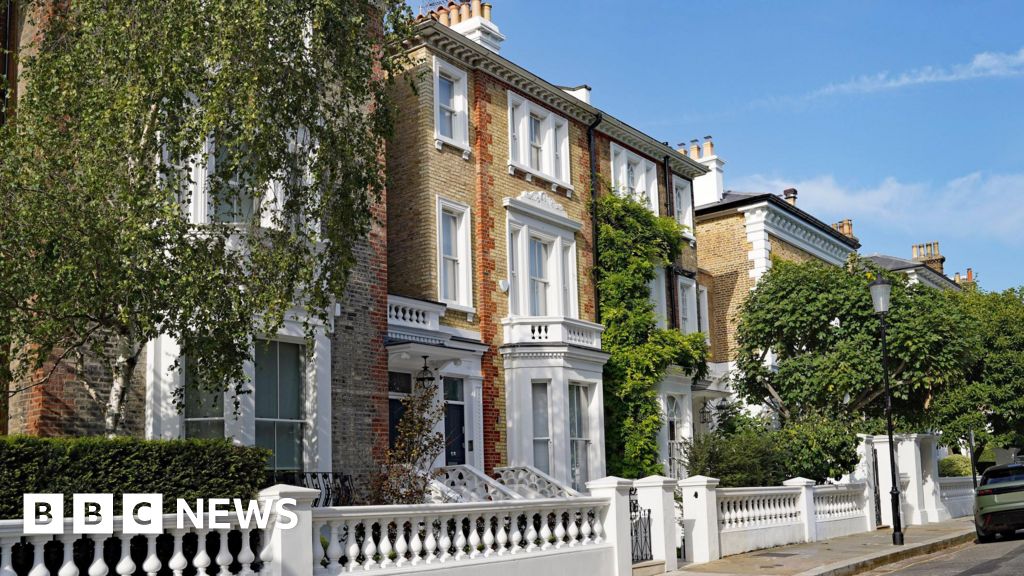
Owners of properties in England valued at over £2 million will be subject to a new annual surcharge starting in 2028, commonly referred to as a mansion tax. This fee, set to begin at a minimum of £2,500, will be in addition to existing council tax and will vary based on property value, with four designated bands.
The bands range from £2,500 for properties valued between £2 million and £2.5 million, to £7,500 for those valued at £5 million or more. Most of the impacted properties are located in London. The Office for Budget Responsibility (OBR) has indicated that this measure is expected to generate approximately £400 million annually by the fiscal year 2029-2030.
The High Value Council Tax Surcharge is part of broader tax adjustments proposed by Rachel Reeves in her Budget. The Treasury anticipates that this tax will apply to less than 1% of properties in England.
Reactions to the announcement include insights from estate agency Savills, which suggests that the tax’s structure may have a less significant impact than a previously proposed open-ended mansion tax. This clarity could encourage greater activity in the housing market and motivate some older homeowners to downsize.
The council tax surcharge bands are outlined as follows:
– £2 million to £2.5 million: £2,500
– £2.5 million to £3.5 million: £3,500
– £3.5 million to £5 million: £5,000
– Over £5 million: £7,500
The funds collected from this surcharge will go to the Treasury, not local authorities. The OBR notes that the new surcharge may influence property pricing, as sellers could adjust valuations to avoid crossing the threshold for the tax. The band thresholds will be adjusted with inflation, and properties will be assessed based on 2026 valuations from the Valuations Office Agency. There are also ongoing discussions regarding potential reliefs and exemptions linked to this tax.
Source: https://www.bbc.com/news/articles/ce910z9jd3po?at_medium=RSS&at_campaign=rss