
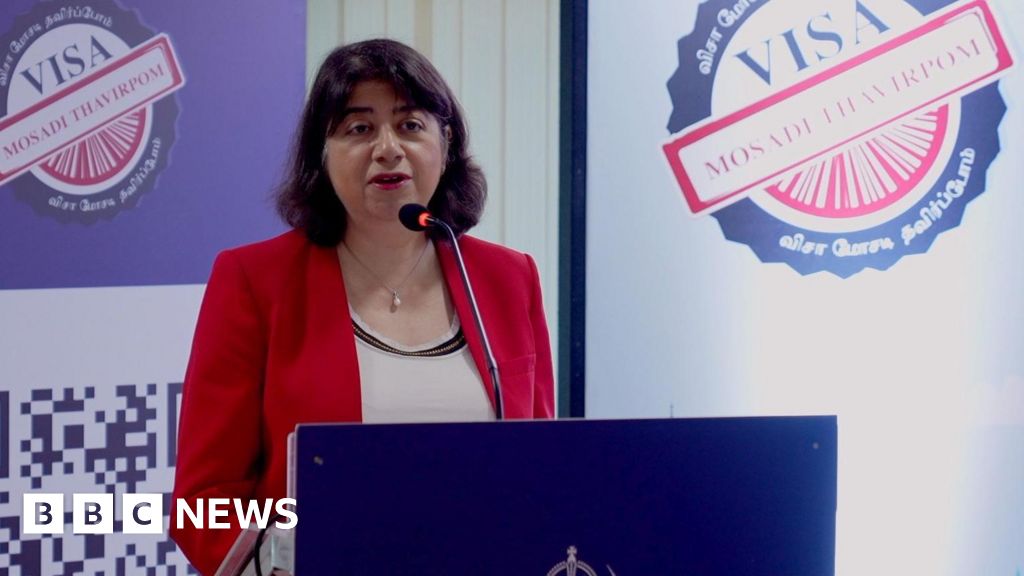
UK’s Indo-Pacific Minister Seema Malhotra has defended new immigration proposals during her visit to India, amid concerns regarding an increase in foreign students applying for asylum after their studies. The proposed reforms would require some migrants to wait up to 20 years for permanent settlement in the UK, while extending the qualifying period for indefinite leave to remain from five to ten years.
These changes would affect around 2.6 million individuals who arrived in the UK since 2021. Although some Labour MPs have criticized the proposals, the Conservative party has expressed cautious support. Malhotra noted that the reforms align with practices in many countries aimed at preventing the misuse of immigration systems. She highlighted that approximately 16,000 international students sought asylum in the UK after completing their courses last year, suggesting that this trend indicates a misuse of legal migration channels.
Furthermore, data reveals an additional 14,800 asylum applications from students between May 2024 and June 2025, though the nationality breakdown is unclear. Malhotra commented on visa abuses where individuals legally enter the UK but subsequently overstay their visas, which, she argued, undermines public confidence in the immigration system.
India is one of the major sources of international students for the UK, although there has been an 11% decline in Indian student numbers due to the tightened immigration rules, raising concerns for UK universities dependent on these students. Malhotra reaffirmed that the UK welcomes Indian students but stressed the importance of ensuring their legitimacy.
The recent UK-India Free Trade Agreement (FTA) is expected to enhance educational partnerships, allowing UK universities to establish campuses in India. However, political sensitivities around immigration persist, particularly regarding visa rules for Indian professionals, which have not been eased despite demands from India. Malhotra pointed out the significant number of visas issued to Indian nationals last year across various categories, and emphasized a shift toward a “contribution-based” immigration system that values economic input over time spent in the country. She also indicated ongoing efforts to combat exploitation in the immigration process through collaboration with Indian law enforcement agencies.
Source: https://www.bbc.com/news/articles/cy5gyzqexn5o?at_medium=RSS&at_campaign=rss