
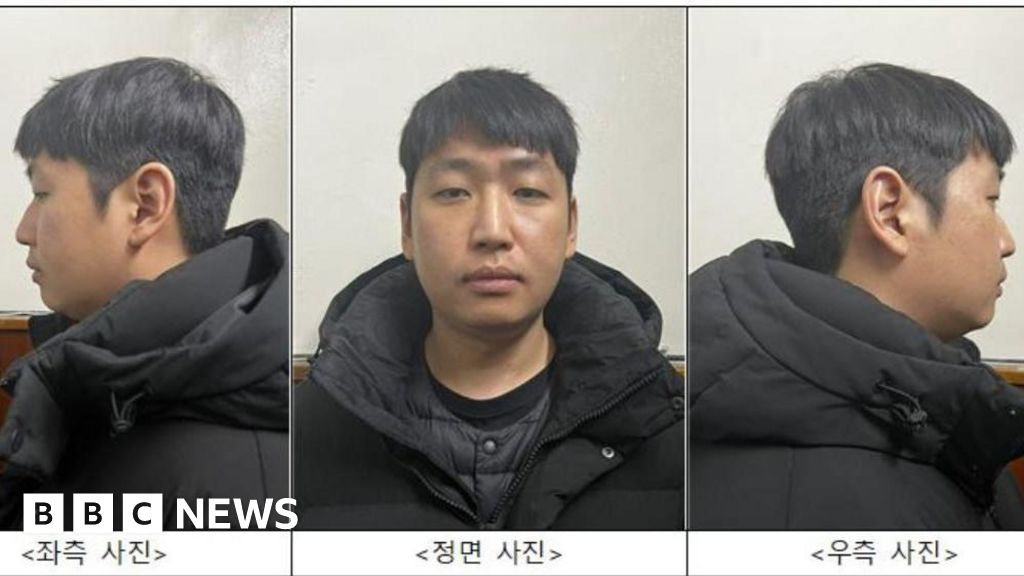
Kim Nok-wan, aged 33, has been sentenced to life imprisonment in South Korea for leading a Telegram-based sex crime network known as the Vigilantes. This organization was involved in the exploitation and blackmail of individuals, resulting in the largest number of cybersex exploitation victims in the country’s history, with 261 reported cases between May 2020 and January 2025.
Kim, who referred to himself as a “pastor,” was convicted for orchestrating a range of systematic crimes including sexual assault of minors and the distribution of child sex abuse images. The court cited the severity of his actions and the absence of restitution for victims as reasons for the harsh sentence. Kim reportedly expressed remorse during the trial but faced scrutiny due to the numerous crimes he committed over a span of four to five years.
Victims were targeted through social networking platforms and lured onto Telegram, where Kim blackmailed them into producing explicit materials. Men interested in creating or distributing deepfake images and women expressing sexual curiosity were among those he approached, often threatening to expose their private information or involve law enforcement. Some victims were later entangled in the Vigilantes’ scheme, taking on titles such as “evangelist” and “deacon” to recruit additional individuals.
Additionally, Kim enforced a regime of reporting and self-punishment among his victims, demanding “hourly daily reports” and inflicting harm on those who failed to comply. The Vigilantes generated more than 2,000 pieces of sexual exploitative material, and Kim was directly involved in the assault of ten underage women, coercing others into sexual acts for recording.
This case is notable as it marks the first instance of Telegram cooperating with South Korean authorities, providing essential crime-related data that contributed to Kim’s arrest. The Korean National Police Agency formalized its collaborative system with Telegram in October 2024, laying the groundwork for future investigations.
Source: https://www.bbc.com/news/articles/czxgdelzeq1o?at_medium=RSS&at_campaign=rss