
In Sierra Leone, concerns about killings associated with alleged magic rituals have surfaced, particularly following the tragic murder of an 11-year-old boy named Papayo. His mother, Sallay Kalokoh, has expressed distress over the lack of justice in her son’s case, which remains unresolved four years later. Papayo’s body was discovered mutilated after he went missing while selling fish, and his family spent two weeks searching for him.
Reports often link these murders to practitioners of black magic, referred to locally as “juju.” The police have yet to officially classify Papayo’s murder as a ritual killing, despite the prevalence of such cases. Traditional beliefs surrounding witchcraft remain deeply rooted in the culture, complicating police investigations. In Sierra Leone, with a population of approximately 8.9 million, there is a significant shortage of resources for investigations; only one pathologist serves the entire country.
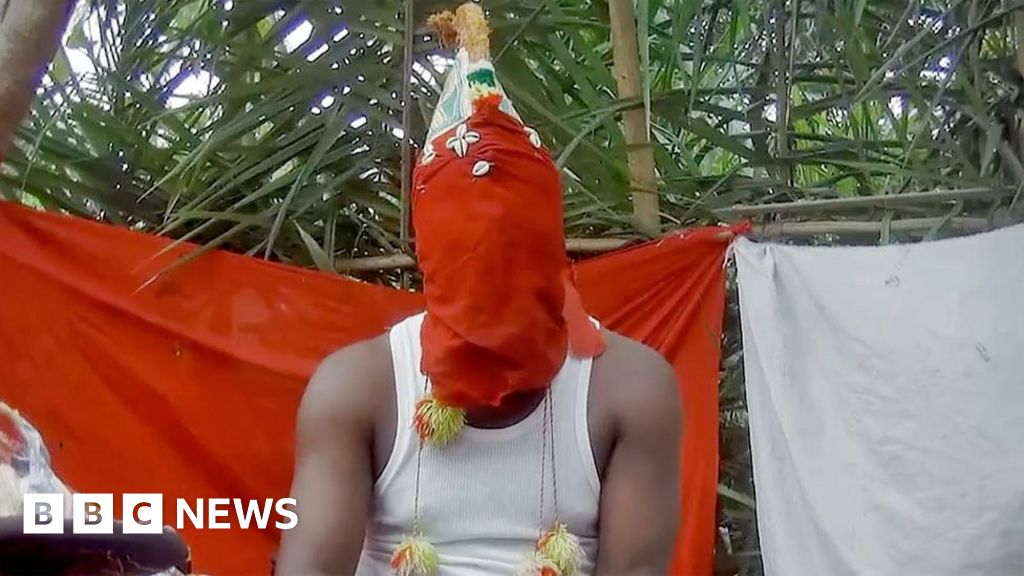
Undercover reports have identified individuals claiming to be juju practitioners, suggesting an underground trade in human body parts for ritualistic purposes. One individual, known as Kanu, allegedly claimed to have clients among powerful politicians and provided gruesome details of his practices.
The situation is exacerbated by societal perceptions that often misclassify or dismiss ritual murders. Researchers indicate that many such killings go unreported or are labeled inaccurately, with most perpetrators remaining at large. Investigations into ritualistic crimes face challenges of establishing reliable evidence and public trust in law enforcement.
A recent police raid led to the arrest of individuals connected to the illegal trade in body parts, highlighting ongoing efforts to combat this underground network. However, the broader issue remains that many such murders continue to go unresolved, instilling fear within vulnerable communities.
Source: https://www.bbc.com/news/articles/cx2y2le8lx1o?at_medium=RSS&at_campaign=rss