
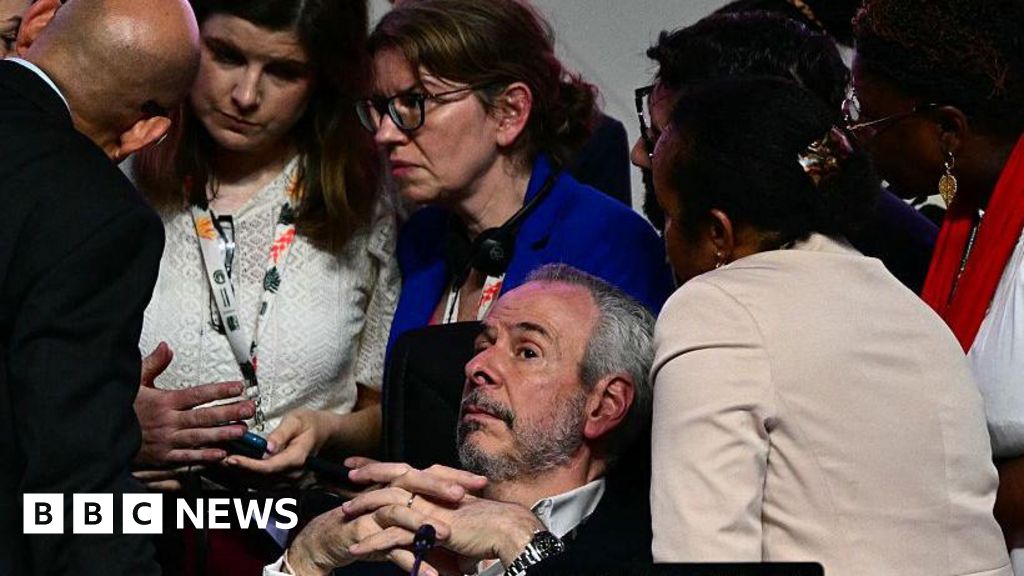
The recent COP30 conference in Belém, Brazil, has been described as one of the most contentious gatherings focused on global warming. Many nations expressed dissatisfaction when the conference concluded without addressing fossil fuels, a topic some countries felt should have been prioritized. The event reflected a significant disjunction in global consensus on climate action.
Key developments at COP30 highlighted several issues. Brazil, while aiming to steer discussions towards reducing fossil fuel dependency, encountered challenges. President Luiz Inácio Lula da Silva’s vision for the summit conflicted with COP President André Corrêa do Lago’s strategy, emphasizing consensus over specific fossil fuel discussions. This divergence led to a lack of concrete agreements on fossil fuels as attempts to introduce roadmaps were abandoned.
The European Union faced criticism for its negotiation performance. While they promoted a roadmap to phase out fossil fuels, they were unable to assert their influence on the discussions effectively. The EU’s earlier commitment to increase funding for climate adaptation further complicated their ability to negotiate concessions, leading to a perception of diminished power compared to emerging economies.
Amidst ongoing debates, participants raised questions about the future and efficacy of the COP process itself. Concerns were voiced about the practicality of convening thousands to discuss climate change in a seemingly disconnected manner from the real issues faced by billions. Some argued for a need to innovate the COP structure to better address these pressing topics.
Additionally, trade emerged as a crucial aspect of the discussions. The EU’s proposed carbon border tax to combat high-emission imports sparked disputes among major trading partners. The final agreement included provisions for future dialogue on trade and climate.
The roles of the United States and China also drew attention, with differing approaches impacting negotiations. China’s focus on trade deals contrasted with the U.S. abstaining from active participation, contributing to perceptions of weakened leadership in climate negotiations.
Source: https://www.bbc.com/news/articles/cp84m16mdm1o?at_medium=RSS&at_campaign=rss