
Recent data indicates that nearly one million young individuals in the UK, referred to as NEETs (Not in Education, Employment, or Training), remain without work, education, or training. According to the Office for National Statistics (ONS), the NEET figure fell slightly to 946,000 between July and September, down from 948,000 in the preceding quarter. This equates to approximately one in eight persons aged 16 to 24.
The NEET numbers have consistently surpassed 900,000 since early 2024, reaching an eleven-year high of 987,000 earlier this year. This categorization includes young people who are either unemployed and seeking work or economically inactive, meaning they are not actively looking for employment. The current job market poses challenges for young people, with 2025 figures indicating a decrease in job vacancies and payroll numbers. Of those classified as NEET, the majority (580,000) are economically inactive, while 366,000 are unemployed.
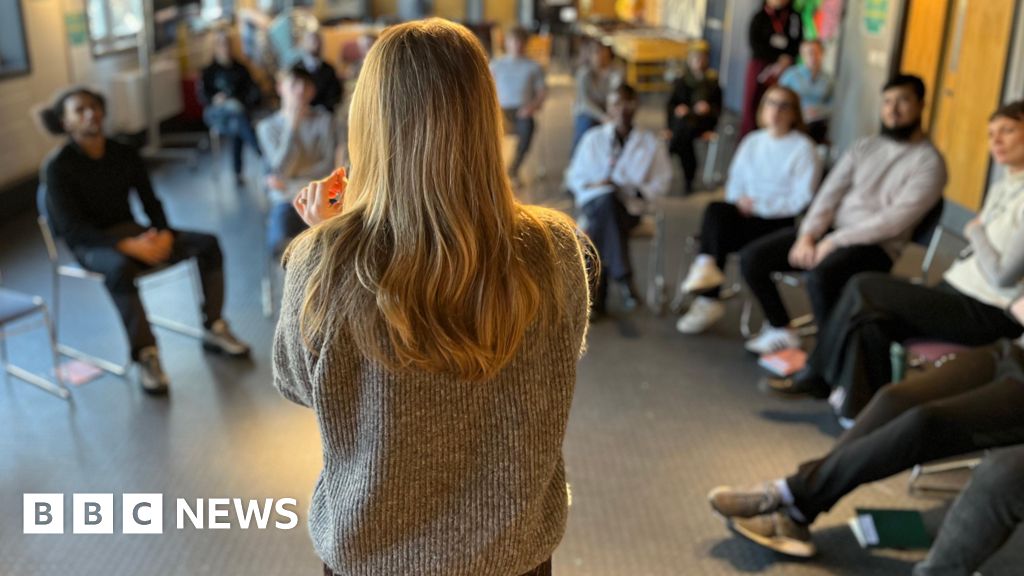
Megan Williams, who manages the Spear Programme charity, highlights an increase in the number of young individuals grappling with mental health issues and feelings of isolation. She notes that many find it difficult to perform everyday tasks, making engagement with work and education feel distant. The charity’s programs help participants, who generally face multiple barriers to employment, develop essential skills for job interviews.
In response to the NEET figures, Secretary of State for Work and Pensions Pat McFadden announced plans for a “Youth Guarantee,” aiming to provide young people with access to education, training, or guaranteed paid work. The Chancellor is set to introduce a scheme offering guaranteed placements to those on Universal Credit for extended periods. Furthermore, a new independent investigation led by former Health Secretary Alan Milburn will explore the factors contributing to the rising levels of youth inactivity, particularly regarding mental health and disabilities. The peak NEET figure was recorded at over one million during the third quarter of 2011, post the 2008 financial crisis.
Source: https://www.bbc.com/news/articles/c62920440m2o?at_medium=RSS&at_campaign=rss