
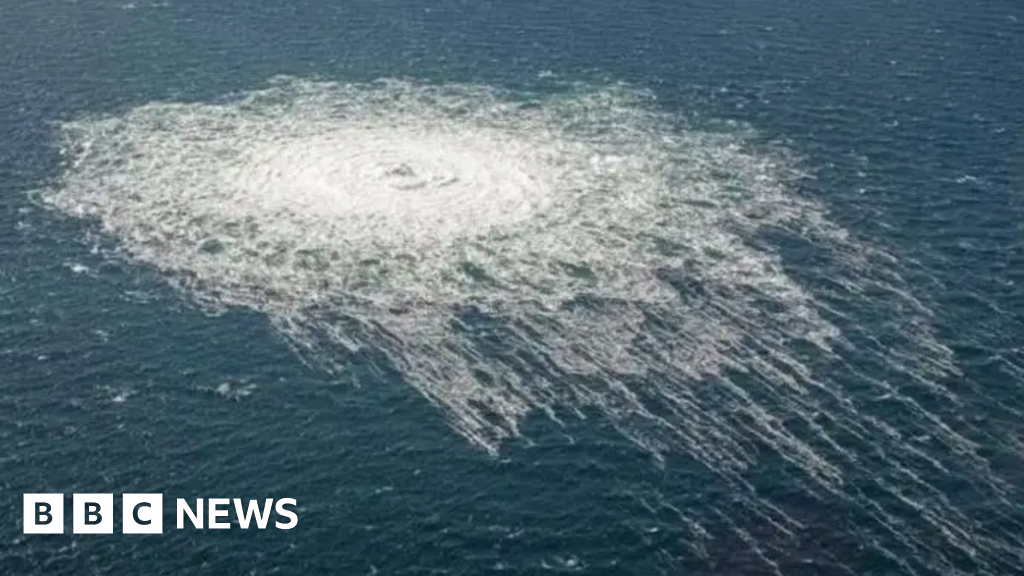
Italy’s highest appeals court has instructed that Serhiy Kuznetsov, a Ukrainian man suspected of involvement in the Nord Stream gas pipeline explosions, be extradited to Germany. Kuznetsov, a former military officer, is expected to arrive in Germany under police escort shortly. He faces charges of anti-constitutional sabotage, with prosecutors alleging that he coordinated and led operations to plant explosives on the pipeline in 2022. However, specific evidence supporting these claims has not been publicly disclosed.
The development raises significant concerns for diplomatic relations between Ukraine and Germany, given that Germany is a key military supporter of Ukraine. Kuznetsov’s lawyer, Nicola Canestrini, mentioned that his client feels like a “scapegoat” and expressed disappointment at the lack of support from the Ukrainian government, which has not confirmed Kuznetsov’s military service status during the incident.
Canestrini pointed out that if Kuznetsov did participate in the attack, it would have been under orders, reinforcing his military background. He questioned why the Ukrainian government has not stated Kuznetsov’s innocence or involvement, highlighting the complexities surrounding the case.
Kuznetsov was detained in northern Italy in late August while on a family trip. His passport details were flagged to local authorities, leading to his arrest. A month later, another Ukrainian suspect, Volodymyr Zhuravlyov, was also detained in Poland on similar charges, though a court there declined to extradite him, citing the context of Ukraine’s ongoing conflict with Russia.
The response to Kuznetsov’s case in Italy contrasts with sentiments in Ukraine, where some view the destruction of the Nord Stream pipeline as a necessary action against Russian aggression. As Kuznetsov prepares for extradition, questions remain about the implications for Ukraine’s international relationships and legal proceedings.
Source: https://www.bbc.com/news/articles/c4gwgd0rjdzo?at_medium=RSS&at_campaign=rss