
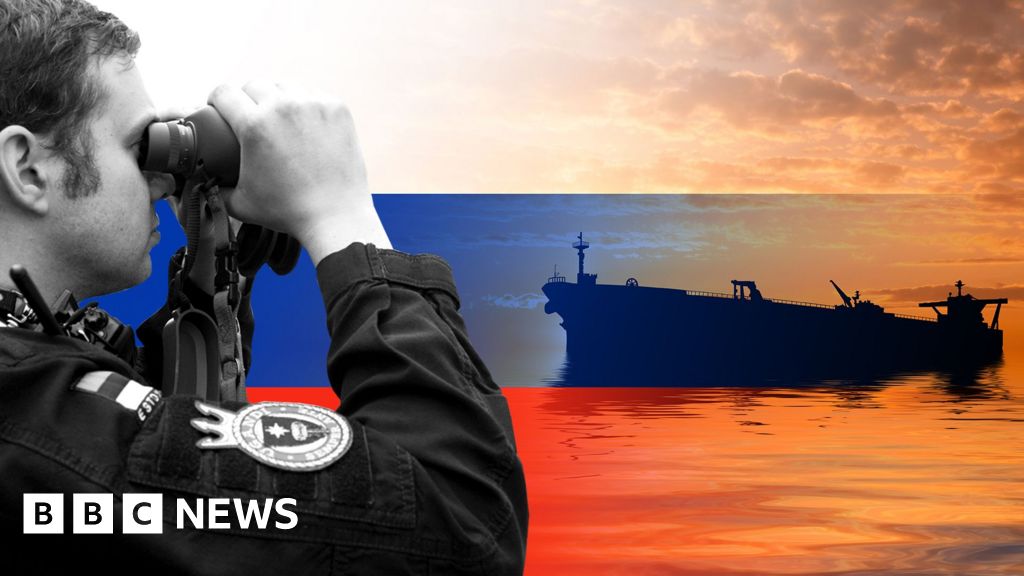
In the western Baltic Sea, coastguard officers are actively monitoring sanctioned oil tankers, a key component of Europe’s ongoing tension with Russia and its so-called “shadow fleet.” This fleet includes numerous tankers reportedly used to evade Western sanctions following Russia’s invasion of Ukraine, with many vessels lacking proper ownership and insurance.
Recent reports indicate that these tankers, often aged and poorly maintained, are frequently flagged under obscure registrations to escape detection. The International Maritime Organization (IMO) has noted a significant increase in such vessels, with over 450 falsely flagged ships reported globally this year. There is growing concern about these shadow vessels engaging in activities like undersea sabotage or unlawful drone operations.
Commodore Ivo Värk, head of Estonia’s navy, remarked on the increased visibility of these vessels near Estonia, where they have observed a notable rise in traffic this year. He described the situation as lacking secrecy, which raises questions about the implications for maritime law and navigation rights. Countries like Finland and Estonia have detained vessels under certain conditions, but such actions are rare due to the potential risks of escalation with Russia.
The tanker Unity, a prominent example of a shadow ship, has undergone multiple flag changes and has engaged in numerous shipments between Russian ports and other countries, including India. Its ownership remains unclear, with significant percentages of the shadow fleet owned by unknown entities, complicating international tracking and accountability.
Despite sanctions, Russian oil revenues remain substantial, largely due to the actions of these shadow tankers, which account for a significant portion of Russia’s oil exports. As nations consider enhancing their responses, challenges persist in enforcing these regulations, particularly beyond territorial waters. The situation underlines the complexities of international maritime operations amidst geopolitical tensions.
Source: https://www.bbc.com/news/articles/cz91dk0l50no?at_medium=RSS&at_campaign=rss