
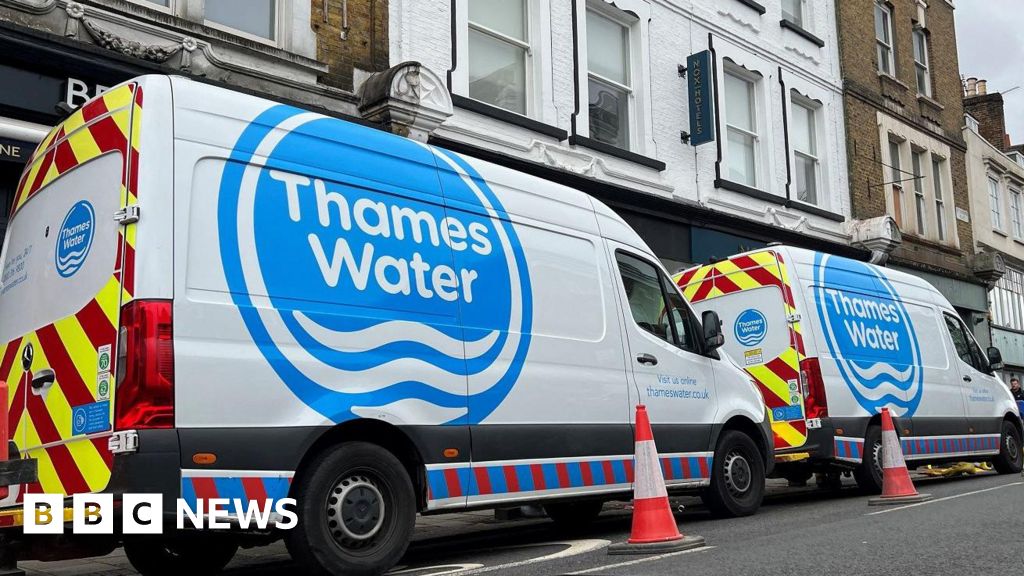
A rescue proposal for Thames Water, the UK’s largest water utility, has faced criticism from potential bidders who feel excluded from discussions about its future. The utility, which serves 16 million people, is in financial distress, with debts approaching £20 billion and relying on an emergency loan from its lenders, who are owed over £13 billion.
Lenders, identified as London and Valley Water, are currently in exclusive negotiations with regulators and the government regarding a rescue plan. This proposal includes a potential 25% debt write-off and an injection of over £4 billion in new funds, but would also require leniency on fines associated with pollution incidents. Without a successful rescue, Thames Water may face government-administered administration by early next year.
CKI Holdings from Hong Kong and UK-based Castle Water have both voiced frustration over their offers being sidelined by the lenders. CKI, which already owns Northumbrian Water, argues it was unfairly excluded from the bidding process. Barclays analysis suggests that if the lenders’ proposal is adopted, consumer bills could increase by nearly 20% over the next five years due to the financial risks transferred to customers. However, the lenders’ consortium refuted this assessment, asserting that customer bills would remain aligned with the current pricing plan.
Additionally, concerns over national security have been raised regarding the sale of critical infrastructure to CKI. It has been suggested that the deal could allow access to sensitive consumer data. Conversely, Castle Water claims it could inject an extra £1 billion compared to the lenders’ proposal, although it admits its bid is not yet formalized.
Experts have also critiqued the bondholders’ focus, suggesting their priority is to limit losses rather than the long-term health of Thames Water. Some argue that a government-supervised administration would be more effective for a clean break and significant debt relief. The government is reportedly wary of this option due to potential short-term costs. The bondholders are hopeful for an agreement with regulatory bodies and the Treasury by December.
Source: https://www.bbc.com/news/articles/c629p9rvel3o?at_medium=RSS&at_campaign=rss