
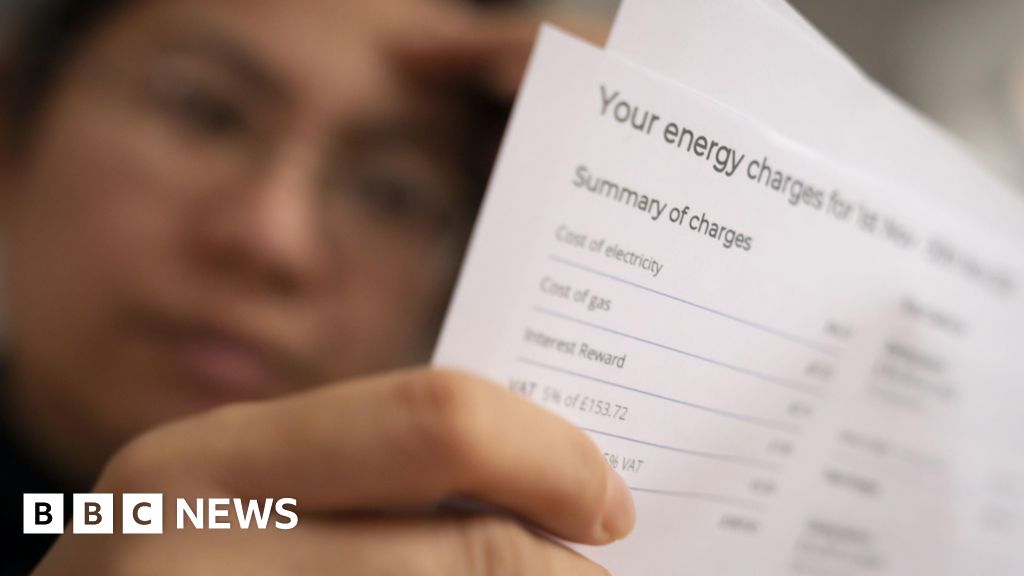
Household energy bills are projected to decrease slightly in the new year, according to Cornwall Insight, a consultancy known for its accurate forecasts. They estimate that homes consuming a typical amount of gas and electricity will see their annual energy bill drop to £1,733 starting in January. This represents a reduction of £22, or 1%, compared to the current price cap of £1,755 for typical households.
However, Dr. Craig Lowrey, a principal consultant at Cornwall Insight, cautioned that this decrease should be viewed in a broader context, as bills are anticipated to rise again in April. He noted that this upcoming increase is not attributed to higher wholesale prices, but rather to rising non-energy costs. These costs are influenced by levies and policy decisions related to investments in renewable energy, which were intended to mitigate reliance on global energy markets and stabilize bills.
The energy price cap, which is reviewed quarterly by the regulatory body Ofgem, determines the maximum amount suppliers can charge for average energy usage. It affects approximately 22 million households across England, Wales, and Scotland. The cap is calculated based on the cost per unit of energy consumed, meaning that households with higher energy consumption will face larger bills.
In January 2023, Ofgem’s price cap reached a record high of £4,279, primarily due to rising energy prices triggered by the easing of COVID-19 restrictions and geopolitical events, notably Russia’s invasion of Ukraine. The government introduced an energy price guarantee during this period, which limited average bills for typical households to £2,500, replacing the price cap temporarily. The latest price cap announcement by Ofgem is expected at the end of November, which will provide further clarity on energy costs for consumers.
Source: https://www.bbc.com/news/articles/cjw9ewz9j17o?at_medium=RSS&at_campaign=rss