
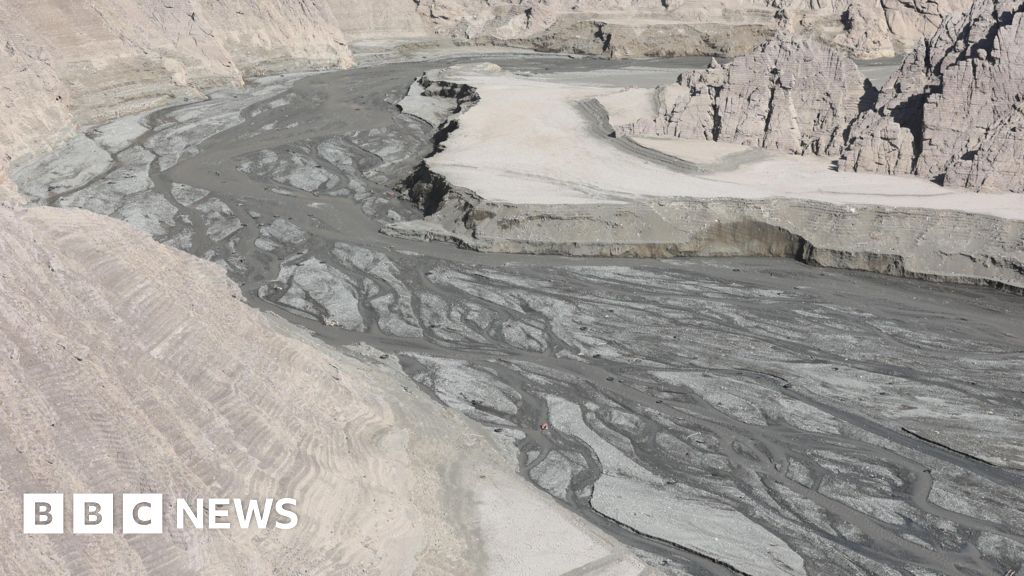
Iran is experiencing significant drought conditions, prompting authorities to implement cloud-seeding techniques to induce rain. The cloud-seeding operations were conducted over the Urmia lake basin, which has seen drastic reductions in water levels, contributing to environmental concerns. Urmia is Iran’s largest lake but has largely dried up, leaving behind a salt bed. Further cloud-seeding efforts are planned for the east and west Azerbaijan regions.
Officials report that rainfall this year has decreased by approximately 89% compared to long-term averages, marking what is described as the driest autumn in the country in 50 years. Water reservoirs are nearing empty, with Tehran’s Amirkabir dam currently reported to be at only 8% of its capacity. The situation has led to warnings from officials, including President Masoud Pezeshkian, about potential water rationing in Tehran and possible evacuations if the dry conditions continue.
The cloud-seeding process involves injecting chemical salts, such as silver or potassium iodide, into clouds to facilitate rainfall. This method has been employed in various countries, including the UAE, to address similar water shortages. Iranian meteorologists noted some rainfall in parts of western and northwestern Iran recently, and there were reports of snowfall at a ski resort near Tehran.
Additionally, Iranian officials are planning to impose penalties on households and businesses that consume excessive water. These measures reflect the severity of the current drought and the ongoing efforts to manage water resources amid the crisis.
Source: https://www.bbc.com/news/articles/cj4172yl0l1o?at_medium=RSS&at_campaign=rss